

Upgrading an existing Sodium Acetate Storage Silo can be a game - changer for your operations. As a Sodium Acetate Storage Silo supplier, I've seen firsthand how a well - upgraded silo can enhance efficiency, safety, and overall performance. In this blog, I'll walk you through the steps and considerations for upgrading your Sodium Acetate storage silo.
Why Upgrade Your Sodium Acetate Storage Silo?
Before we dive into the how - to, let's talk about why you might want to upgrade in the first place. Over time, silos can experience wear and tear. The seals may degrade, leading to leaks that can contaminate the Sodium Acetate or cause environmental issues. Also, older silos may not be as efficient in terms of space utilization or in controlling the temperature and humidity of the stored product.
Upgrading can also help you meet newer safety and industry regulations. With advancements in technology, there are now better ways to monitor the storage conditions of Sodium Acetate, which can prevent accidents and ensure the quality of the product remains intact. A modern, upgraded silo can also reduce the maintenance cost in the long run by using more durable materials and advanced design features.
Assessing the Current State of Your Silo
The first step in upgrading your silo is to assess its current condition. You need to check for signs of corrosion, cracks, and leaks. A visual inspection can give you a good idea of the external damage, but for a more in - depth assessment, you might want to use non - destructive testing methods. These can help you detect internal issues that aren't visible from the outside.
Look at the silo's structural integrity as well. Check the foundation to make sure it's still stable. If the foundation has shifted or settled unevenly, it can put extra stress on the silo walls and lead to more serious problems. You also need to evaluate the existing ventilation, heating, and cooling systems. Are they working efficiently? Do they need to be replaced or just repaired?
Planning the Upgrade
Once you have a clear understanding of the silo's current state, it's time to start planning the upgrade. Decide on the scope of the project. Do you just want to replace the seals and improve the ventilation, or do you want a complete overhaul, including a new structural design?
One important aspect of the planning phase is determining the budget. Get quotes from different suppliers and contractors. As a Sodium Acetate Storage Silo supplier, I can assure you that getting multiple quotes will give you a better idea of the cost range and help you avoid overpaying. You should also consider the timeline for the upgrade. If your business relies heavily on the silo, you'll need to plan the work in a way that minimizes downtime.
Choosing the Right Materials and Equipment
When upgrading your silo, choosing the right materials is crucial. For the silo walls, you might want to consider using high - quality stainless steel or reinforced concrete. Stainless steel is corrosion - resistant and can last a long time, while reinforced concrete is strong and can handle heavy loads.
For the internal components, such as the shelving and the conveyor systems, look for durable and easy - to - clean materials. You also need to invest in proper monitoring equipment. There are now advanced sensors available that can measure the temperature, humidity, and level of the Sodium Acetate inside the silo. These sensors can send real - time data to your phone or computer, allowing you to keep an eye on the storage conditions 24/7.
Finding the Right Contractors
Finding experienced and reliable contractors is essential for a successful upgrade. Look for contractors who have a track record of working on similar projects. You can ask for references and check online reviews. A good contractor will be able to work with you to make sure the upgrade meets your specific needs and budget.
Communication is key when working with contractors. Make sure you're on the same page about the project scope, timeline, and budget from the start. Regularly check in on the progress of the work to ensure everything is going according to plan.
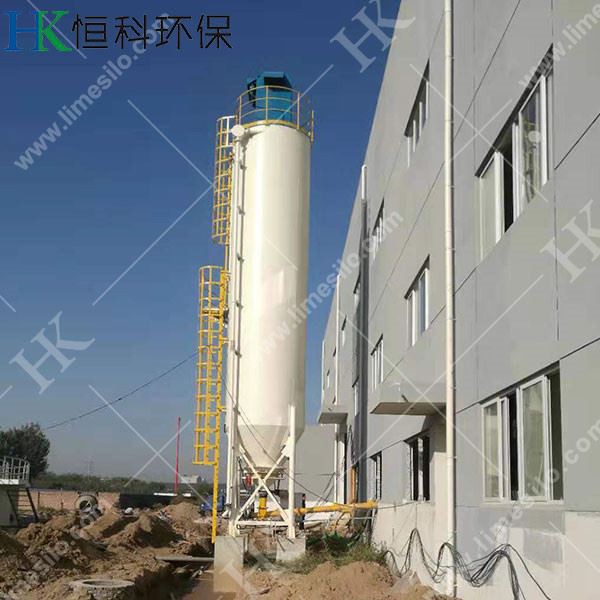

Maintaining the Upgraded Silo
Once the upgrade is complete, it's important to maintain the silo properly. Regularly inspect the silo for any signs of damage or wear. Clean the internal components on a regular basis to prevent the build - up of Sodium Acetate residues.
Follow the manufacturer's instructions for the monitoring equipment. Replace the sensors and other parts as recommended to ensure accurate readings. Proper maintenance will ensure the longevity and efficiency of your upgraded Sodium Acetate Storage Silo.
Conclusion
Upgrading an existing Sodium Acetate Storage Silo is a significant investment, but it can bring numerous benefits to your business. From increased efficiency to improved safety and compliance, the advantages are clear. As a Sodium Acetate Storage Silo supplier, I'm here to help you every step of the way. Whether you need advice on the upgrade process, high - quality materials, or reliable contractors, don't hesitate to reach out.
If you're considering upgrading your Sodium Acetate Storage Silo, or if you need a new Sodium Acetate Storage and Transportation System, I'd love to discuss your requirements. Contact me for a free consultation and let's start planning the upgrade that will take your operations to the next level.
References
- Industry best practices for Sodium Acetate storage
- Reports on silo technology advancements
- Manufacturer guidelines for silo materials and components