

Hey there! As a supplier of Sodium Acetate Silos, I know how crucial it is to ensure the quality of Sodium Acetate stored in those silos. Sampling is a key step in quality testing, and today I'm gonna walk you through how to sample Sodium Acetate from a silo for quality testing.
Why Sampling is Important
First off, let's talk about why we even need to sample Sodium Acetate. Quality control is super important in any industry that uses Sodium Acetate. Whether it's for food preservation, textile printing, or chemical synthesis, the quality of Sodium Acetate can directly affect the end - product. By taking samples from the silo, we can check for things like purity, moisture content, and particle size distribution. This helps us make sure that the Sodium Acetate meets the required standards and specifications.
Pre - Sampling Preparation
Before you start sampling, there are a few things you need to do. First, gather all the necessary equipment. You'll need a sampling probe, which is a long tube used to collect samples from different depths in the silo. Make sure the probe is clean and free from any contaminants. You'll also need sample containers, preferably made of glass or plastic that won't react with Sodium Acetate. Label the containers clearly with details like the date, time, and location of sampling.
Another important thing is safety. Wear appropriate personal protective equipment (PPE), such as gloves and goggles. Sodium Acetate can be irritating to the skin and eyes, so it's better to be safe than sorry.
Understanding the Silo Structure
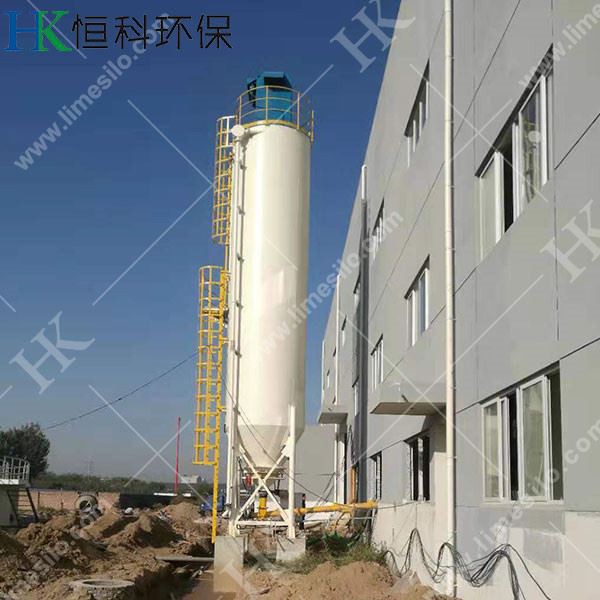
It's essential to have a good understanding of the Sodium Acetate Storage Silo structure before sampling. Different silos have different designs, and this can affect how the Sodium Acetate is distributed inside. For example, some silos have a conical bottom, which can cause the material to flow differently compared to a flat - bottomed silo.
The way the Sodium Acetate is loaded into the silo also matters. If it's loaded from the top, there might be some segregation, with larger particles settling at the bottom and smaller ones at the top. Knowing these details will help you decide where to take samples from to get a representative sample.
Sampling Methods
There are a few different methods you can use to sample Sodium Acetate from a silo.
Core Sampling
Core sampling is one of the most common methods. With this method, you insert the sampling probe vertically into the silo to different depths. Start from the top and work your way down at regular intervals. For example, if the silo is 10 meters tall, you might take samples at 2 - meter intervals.
When inserting the probe, make sure it goes straight down and doesn't get blocked by any clumps of Sodium Acetate. Once the probe is at the desired depth, close the valve on the probe to trap the sample. Then, carefully remove the probe and transfer the sample into the labeled container.
Spot Sampling
Spot sampling involves taking samples from specific locations in the silo. This can be useful if you suspect there might be a problem in a particular area, like near the walls or the bottom. For spot sampling, you can use a smaller sampling tool, like a scoop or a pipette.
However, spot sampling might not give you a fully representative sample of the entire silo. So, it's often used in combination with core sampling.
Composite Sampling
Composite sampling is a combination of multiple samples taken from different locations and depths in the silo. After taking individual samples using core or spot sampling methods, you mix them together in a large container to create a composite sample. This composite sample is then used for quality testing.
Composite sampling helps to average out any variations in the Sodium Acetate within the silo, giving you a more accurate picture of the overall quality.
Post - Sampling Handling
Once you've taken the samples, it's important to handle them properly. Seal the sample containers tightly to prevent any moisture or contaminants from getting in. Store the samples in a cool, dry place until they can be tested.
If you're sending the samples to a laboratory for testing, make sure to package them securely and include all the necessary documentation, like the sampling details and any special instructions.
Quality Testing
After sampling, the next step is quality testing. There are several tests that can be done on Sodium Acetate samples.
Purity Testing
Purity testing is used to determine the percentage of Sodium Acetate in the sample. This can be done using various analytical techniques, such as titration or chromatography. A high - purity Sodium Acetate sample is usually preferred for most applications.
Moisture Content Testing
Moisture content can affect the stability and performance of Sodium Acetate. You can use a moisture analyzer to measure the amount of moisture in the sample. Excess moisture can cause caking and reduce the shelf - life of Sodium Acetate.
Particle Size Analysis
Particle size analysis is important, especially if the Sodium Acetate is used in applications where particle size matters, like in some chemical reactions. You can use a sieve analysis or a laser diffraction method to determine the particle size distribution of the sample.
The Role of the Sodium Acetate Storage and Transportation System
The Sodium Acetate Storage and Transportation System plays a big role in maintaining the quality of Sodium Acetate. A well - designed storage system can prevent issues like moisture ingress, contamination, and segregation.
For example, a good storage silo should have proper ventilation to control the humidity inside. The transportation system should also be designed to prevent any spillage or damage to the Sodium Acetate during transit. By ensuring the integrity of the storage and transportation system, you can reduce the chances of quality issues and make the sampling process more reliable.
Conclusion
Sampling Sodium Acetate from a silo for quality testing is a multi - step process that requires careful planning and execution. From understanding the silo structure to choosing the right sampling method and handling the samples properly, every step is important to get an accurate picture of the Sodium Acetate quality.

If you're in the market for a high - quality Sodium Acetate Silo or need more information about our Sodium Acetate Storage and Transportation System, don't hesitate to reach out. We're here to help you ensure the best quality of your Sodium Acetate storage and supply.
References
- ASTM International standards for chemical sampling.
- Textbooks on chemical engineering and quality control in the chemical industry.