

Hey everyone! I'm a supplier of Sodium Acetate Storage Silos, and today I want to share some tips on how to optimize the storage capacity of these silos. Sodium acetate is a widely used chemical in various industries, such as food, pharmaceuticals, and textiles. Efficient storage is crucial to ensure its quality and availability. So, let's dive right in!
Understanding the Basics of Sodium Acetate Storage Silos
Before we start talking about optimization, let's have a quick look at what a Sodium Acetate Storage Silo is. It's a specialized container designed to store sodium acetate in bulk. These silos come in different shapes and sizes, but most are cylindrical with a conical bottom. The design helps in easy discharge of the stored material.
The key to optimizing storage capacity starts with choosing the right silo. You need to consider factors like the amount of sodium acetate you plan to store, the available space, and the frequency of use. If you're dealing with large quantities and have enough space, a bigger silo might be the way to go. On the other hand, if your storage needs are smaller or space is limited, a compact silo could be more suitable. You can find more information about different types of silos on our Sodium Acetate Storage Silo page.
Design and Layout Considerations
The design of the silo plays a huge role in its storage capacity. First off, the height-to-diameter ratio is important. A taller silo with a smaller diameter can often store more material in a given footprint compared to a shorter, wider one. This is because the vertical space is used more efficiently.
Another aspect is the internal structure. Installing baffles or partitions can help in better organization of the stored sodium acetate. These partitions can prevent the material from shifting and collapsing, which can lead to wasted space. For example, if you have different grades or batches of sodium acetate, you can use partitions to keep them separate.
The layout of the silo within the storage area also matters. Make sure there's enough clearance around the silo for easy access during filling and discharging. You don't want to have any obstructions that could limit the use of equipment or cause safety hazards.
Filling and Discharging Techniques
How you fill and discharge the silo can have a big impact on its storage capacity. When filling, it's important to distribute the sodium acetate evenly across the silo. Using a proper filling system, like a conveyor or a pneumatic system, can help achieve this. Uneven filling can lead to voids or compaction in certain areas, reducing the overall storage efficiency.
During discharging, you want to make sure all the material comes out smoothly. A well-designed discharge system, such as a screw conveyor or a gravity chute, can help with this. If the discharge is too slow or uneven, it can leave a significant amount of material behind, taking up valuable space. You can learn more about efficient filling and discharging in our Sodium Acetate Storage and Transportation System section.
Material Handling and Compaction
Sodium acetate can be prone to compaction over time, especially if it's stored for long periods. Compaction reduces the flowability of the material and can lead to blockages in the silo. To prevent this, you can use vibration devices or aeration systems. These help in loosening the material and maintaining its flow properties.
Another important factor is the handling of the material before it goes into the silo. Make sure it's free from any contaminants or large particles that could cause blockages or affect the storage capacity. Using a screening or filtering system during the intake process can help with this.
Monitoring and Maintenance
Regular monitoring is essential to ensure the optimal storage capacity of the silo. You can use level sensors to keep track of the amount of sodium acetate in the silo. This helps in planning for refills and avoiding overfilling. Temperature and humidity sensors are also important, as sodium acetate can be sensitive to environmental conditions. High humidity can cause the material to clump together, reducing its flowability and storage efficiency.
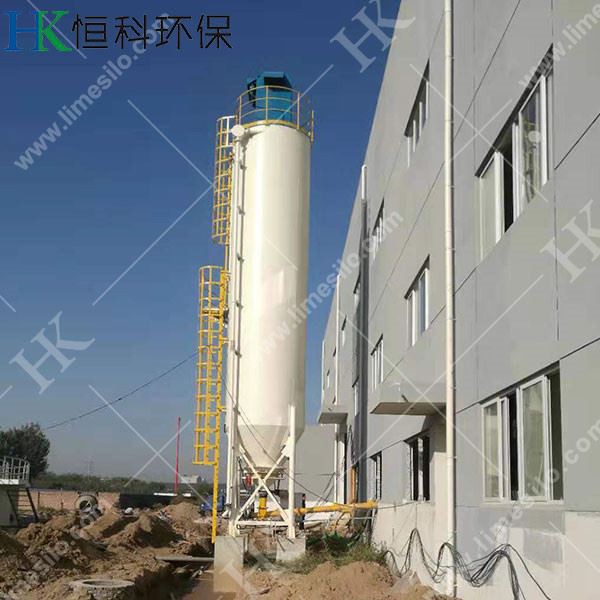

Maintenance is equally important. Check the silo for any signs of wear and tear, such as cracks or leaks. A damaged silo can not only lead to loss of material but also pose a safety risk. Regular cleaning of the silo can also prevent the buildup of residue, which can take up space and affect the quality of the stored sodium acetate.
Safety Considerations
Safety should always be a top priority when dealing with sodium acetate storage. Make sure the silo is properly grounded to prevent static electricity buildup, which can be a fire hazard. Provide proper ventilation to prevent the accumulation of dust or fumes.
Install safety features like emergency shut-off valves and pressure relief devices. These can help in case of any unexpected situations, such as overpressure or blockages. Train your staff on proper safety procedures when working with the silo, including how to handle emergencies.
Conclusion
Optimizing the storage capacity of a Sodium Acetate Storage Silo is a multi-faceted process. It involves choosing the right silo, considering the design and layout, using proper filling and discharging techniques, managing material handling and compaction, and ensuring regular monitoring and maintenance. By following these tips, you can make the most of your storage space and ensure the efficient and safe storage of sodium acetate.
If you're interested in learning more about our Sodium Acetate Storage Silos or need help with optimizing your storage capacity, don't hesitate to get in touch. We're here to assist you with all your storage needs.
References
- Chemical Engineering Handbook
- Storage Silo Design Guidelines