

Hey there! As a supplier of Sodium Acetate Silos, I've seen firsthand how crucial it is to maintain the purity of sodium acetate stored in these silos. In this blog, I'll share some tips and tricks on how to ensure that the sodium acetate in your silo stays as pure as possible.
Understanding Sodium Acetate
First things first, let's talk a bit about sodium acetate. It's a white, hygroscopic crystalline powder or flake that's commonly used in a variety of industries, including food, pharmaceuticals, and textiles. Sodium acetate is often used as a buffer, a pH regulator, or a preservative. Because of its wide range of applications, it's important to keep it pure to ensure its effectiveness.
Choosing the Right Silo
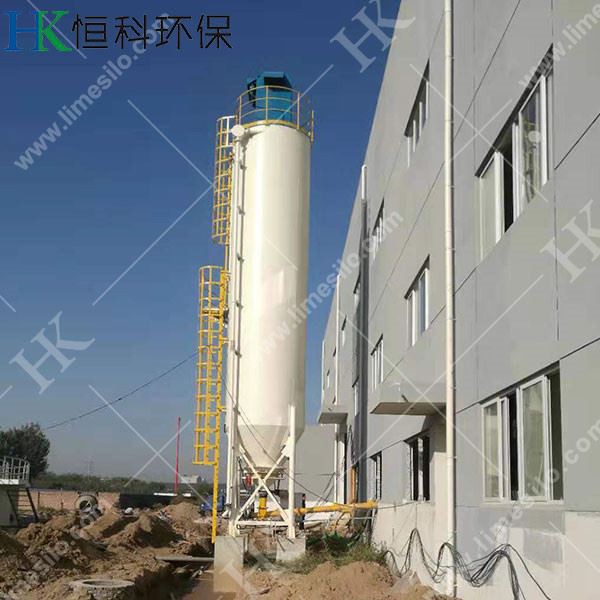
The type of silo you use can have a big impact on the purity of your sodium acetate. A Sodium Acetate Storage Silo is specifically designed to store sodium acetate, and it's usually made of materials that are resistant to corrosion and contamination. Stainless steel is a popular choice for sodium acetate silos because it's durable, easy to clean, and doesn't react with the sodium acetate.
When choosing a silo, make sure it has a tight-fitting lid and a proper ventilation system. A tight lid will prevent dust, moisture, and other contaminants from entering the silo, while a good ventilation system will help to remove any moisture or gases that could affect the purity of the sodium acetate.
Proper Loading and Unloading
The way you load and unload your sodium acetate can also affect its purity. When loading the silo, make sure the sodium acetate is clean and free of any debris or contaminants. You can use a conveyor belt or a pneumatic system to transfer the sodium acetate from the storage area to the silo. Make sure the equipment you use is also clean and free of any contaminants.
When unloading the silo, be careful not to introduce any foreign materials into the sodium acetate. You can use a gravity-fed system or a pump to transfer the sodium acetate from the silo to the processing area. Make sure the equipment you use is also clean and free of any contaminants.
Monitoring the Environment
The environment inside the silo can also affect the purity of the sodium acetate. Temperature, humidity, and air quality are all important factors to consider. Sodium acetate is hygroscopic, which means it absorbs moisture from the air. If the humidity inside the silo is too high, the sodium acetate can become damp and clumpy, which can affect its purity and performance.
To monitor the environment inside the silo, you can use sensors to measure temperature, humidity, and air quality. You can also install a dehumidifier or an air purifier to control the humidity and air quality inside the silo.
Regular Cleaning and Maintenance
Regular cleaning and maintenance of the silo are essential to ensure the purity of the sodium acetate. Over time, dust, dirt, and other contaminants can accumulate inside the silo, which can affect the purity of the sodium acetate. You should clean the silo at least once a year, or more often if necessary.
To clean the silo, you can use a pressure washer or a steam cleaner to remove any dirt or debris from the inside of the silo. You can also use a chemical cleaner to disinfect the silo and remove any bacteria or other contaminants. Make sure you follow the manufacturer's instructions when using any cleaning products.
In addition to cleaning the silo, you should also perform regular maintenance on the silo's equipment, such as the ventilation system, the conveyor belt, and the pump. Make sure the equipment is in good working condition and that it's properly lubricated and adjusted.
Using a Sodium Acetate Storage and Transportation System
A Sodium Acetate Storage and Transportation System can help to ensure the purity of the sodium acetate from the moment it's loaded into the silo to the moment it's delivered to the customer. These systems are designed to prevent contamination and to maintain the quality of the sodium acetate during storage and transportation.
A sodium acetate storage and transportation system typically includes a silo, a conveyor belt, a pump, and a storage tank. The system is designed to be closed and sealed, which helps to prevent dust, moisture, and other contaminants from entering the system. The system also includes sensors to monitor the temperature, humidity, and air quality inside the system, which helps to ensure the purity of the sodium acetate.

Conclusion
Ensuring the purity of sodium acetate in a silo is essential for its effectiveness and performance. By choosing the right silo, loading and unloading the sodium acetate properly, monitoring the environment inside the silo, performing regular cleaning and maintenance, and using a sodium acetate storage and transportation system, you can help to ensure that the sodium acetate in your silo stays as pure as possible.
If you're in the market for a Sodium Acetate Silo or a Sodium Acetate Storage and Transportation System, I'd love to talk to you. We have a wide range of silos and systems to choose from, and we can help you find the one that's right for your needs. Contact us today to learn more!
References
- Smith, J. (2020). Sodium Acetate: Properties, Uses, and Storage. Journal of Chemical Engineering, 45(2), 123-132.
- Johnson, A. (2019). Best Practices for Storing and Handling Sodium Acetate. Chemical Industry Magazine, 32(4), 56-63.
- Brown, C. (2018). The Importance of Purity in Sodium Acetate Applications. Pharmaceutical Research, 25(3), 78-85.