

Hey there! As a supplier of Activated Carbon Storage Silos, I've seen firsthand how crucial it is to protect these silos from corrosion. Corrosion can not only damage the silo itself but also affect the quality of the activated carbon stored inside. In this blog, I'll share some practical tips on how to keep your activated carbon storage silo in top - notch condition.
Understanding the Corrosion Risks
Before we jump into the prevention methods, it's important to know what causes corrosion in activated carbon storage silos. Activated carbon is often stored in powder or granular form. When it comes into contact with moisture, it can create a corrosive environment. The moisture might come from the air, especially in humid climates, or it could be a result of condensation inside the silo.
Another factor is the chemical nature of activated carbon. Sometimes, it can absorb certain chemicals from the environment, and these chemicals might react with the silo material, leading to corrosion. Also, if the silo is used to store different types of activated carbon with varying chemical compositions, there could be a higher risk of corrosion due to potential chemical reactions.
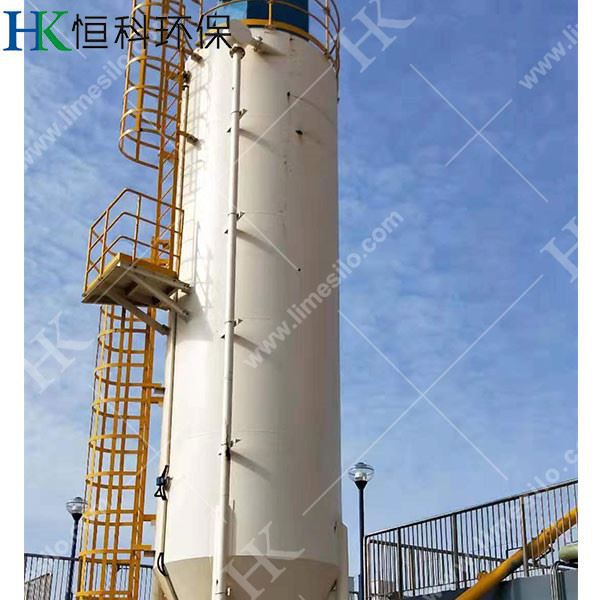

Choosing the Right Material
One of the first steps in preventing corrosion is to select the appropriate material for the silo. Stainless steel is a popular choice because it has good corrosion resistance. It contains chromium, which forms a thin, protective oxide layer on the surface. This layer acts as a barrier between the steel and the corrosive elements.
However, not all stainless steels are created equal. For an activated carbon storage silo, I'd recommend using a grade like 304 or 316 stainless steel. Grade 316, in particular, has a higher level of molybdenum, which gives it better resistance to pitting corrosion, especially in environments where there might be chloride ions present.
If stainless steel is not an option due to budget constraints, carbon steel can also be used, but it needs to be properly coated. Carbon steel is more prone to corrosion, so a good coating system is essential to protect it.
Applying Protective Coatings
Applying a protective coating is a cost - effective way to safeguard the silo from corrosion. There are different types of coatings available, such as epoxy coatings, polyurethane coatings, and zinc - rich primers.
Epoxy coatings are known for their excellent adhesion and chemical resistance. They can form a tough, durable barrier on the silo surface. Polyurethane coatings, on the other hand, offer good flexibility and weather resistance. They are suitable for silos that are exposed to the elements.
Zinc - rich primers work by providing sacrificial protection. The zinc in the primer corrodes instead of the steel substrate, which helps to extend the life of the silo. When applying these coatings, it's important to follow the manufacturer's instructions carefully. The surface of the silo needs to be properly prepared, usually by sandblasting or power tool cleaning, to ensure good adhesion of the coating.
Controlling the Environment Inside the Silo
Controlling the environment inside the silo is another key aspect of corrosion prevention. One way to do this is by controlling the humidity. You can install a dehumidification system to reduce the moisture content in the air inside the silo. This can be especially important in areas with high humidity levels.
Another important factor is temperature control. Fluctuations in temperature can cause condensation to form inside the silo. By maintaining a relatively stable temperature, you can minimize the risk of condensation. Insulation can be installed on the silo walls to help regulate the temperature.
It's also important to keep the silo clean. Regularly removing any dust or debris from the inside of the silo can prevent the buildup of corrosive substances. And when filling or emptying the silo, make sure to avoid any spills or leaks that could lead to corrosion.
Regular Inspections and Maintenance
Regular inspections are crucial for detecting corrosion early. You should inspect the silo at least once a year, or more frequently if it's in a harsh environment. During the inspection, look for signs of rust, pitting, or coating damage.
If you notice any signs of corrosion, it's important to take action immediately. Minor corrosion can often be treated by cleaning the affected area and reapplying a coating. For more severe corrosion, you might need to replace the damaged section of the silo.
Maintenance also includes checking the integrity of the silo's fittings, such as valves and pipes. Make sure they are properly sealed to prevent any leakage that could lead to corrosion.
Using Cathodic Protection
Cathodic protection is a technique that can be used to further protect the silo from corrosion. There are two types of cathodic protection: sacrificial anode cathodic protection and impressed current cathodic protection.
In sacrificial anode cathodic protection, a more active metal, such as zinc or magnesium, is connected to the silo. The sacrificial anode corrodes instead of the silo, providing protection. This method is relatively simple and cost - effective for smaller silos.
Impressed current cathodic protection uses an external power source to supply a direct current to the silo. This current counteracts the natural corrosion process. It's more suitable for larger silos or silos in more aggressive environments.
Monitoring the Silo
In addition to regular inspections, it's a good idea to set up a monitoring system for the silo. You can use sensors to monitor factors such as humidity, temperature, and corrosion rate. These sensors can provide real - time data, which allows you to take proactive measures if any issues are detected.
For example, if the humidity inside the silo starts to rise above a certain level, you can activate the dehumidification system. If the corrosion rate exceeds a predefined threshold, you can investigate the cause and take appropriate action.
Conclusion
Protecting an activated carbon storage silo from corrosion is a multi - faceted task. It involves choosing the right material, applying protective coatings, controlling the environment inside the silo, conducting regular inspections and maintenance, using cathodic protection, and monitoring the silo.
As a supplier, I understand the importance of these measures for the long - term performance and durability of the silo. If you're in the market for an Activated Carbon Storage and Transportation System, Activated Carbon Injection ACI Systems, or a Powdered Activated Carbon Silo, and you want to ensure that it's well - protected against corrosion, feel free to reach out. We can work together to find the best solutions for your specific needs.
References
- ASM Handbook, Volume 13A: Corrosion: Fundamentals, Testing, and Protection. ASM International.
- NACE International standards for corrosion prevention in storage tanks.
- Manufacturer's guides for silo materials and coatings.