

If you've ever relied on lime silo storage for industrial processes-whether for water treatment, agriculture, chemical manufacturing, or construction-you know how critical consistent, damage-free lime storage is to your operations. A Lime Silo Storage System isn't just a big tank; it's a specialized piece of engineering designed to preserve the quality of lime powder (a reactive, fine material prone to caking, moisture damage, or structural failure if not maintained right). As a supplier of these systems, my team and I don't just build and deliver silos-we're with customers long after the installation crane drives away. Today, I'm breaking down exactly what after-sales service for a lime silo storage system looks like, because cutting corners on support is where most industrial storage setups go wrong.
First, let's ground this in the specific products we design and install for our clients, since every lime silo's needs depend on its materials and environment. For example, our mild steel lime stone powder silos (/silo-system/lime-silo/mild-steel-lime-stone-powder-silos.html) are engineered for large-volume bulk storage, but they still require regular checks to prevent the fine lime powder from accumulating in hidden crevices. Our mild steel silo tanks (/silo-system/lime-silo/mild-steel-silo-tank.html) and lime storage tank (/silo-system/lime-silo/lime-storage-tank.html) lines are tailored for smaller, high-precision applications like municipal water treatment, where even a small caked layer of lime can disrupt chemical dosing. And for heavy-duty, long-term industrial use, our lime powder steel silo (/silo-system/lime-silo/lime-powder-steel-silo.html) and lime powder storage tanks and silos (/silo-system/lime-silo/lime-powder-storage-tanks-and-silos.html) are built to withstand harsh outdoor conditions, but only if we maintain their structural integrity over time.
The first, and most foundational, part of our after-sales service is proactive maintenance planning, not reactive repairs. Too many customers only reach out when their silo is already leaking or caking, which means unplanned downtime that can cost thousands per hour in lost production. Our approach starts the day a system is commissioned: we work with the customer to map a custom maintenance schedule based on two factors: the type of lime powder they're storing, and their operational environment. For example, a silo storing agricultural lime in a humid coastal region will need monthly interior inspections, while a silo storing food-grade lime in a controlled indoor manufacturing facility can go six weeks between checks.
Proactive maintenance includes three core components: interior and exterior structural inspections, component performance tests, and material condition monitoring. Structural inspections aren't just a quick once-over-our technicians climb the exterior, check for rust spots on mild steel silo tanks that can lead to corrosion (a top cause of silo failure for lime storage), measure weld strength, and test the roof seals for leaks. For interior access (required every 12 to 18 months for most systems), we use specialized confined-space entry equipment to safely remove small samples of lime powder from different levels of the silo, checking for caking, moisture content, and segregation. We also test critical components that keep silos working: the aeration pads that prevent powder from compacting, the level sensors that alert operators when the silo is full, and the discharge valves that control how much lime is released. For example, last year a customer using our lime powder steel silo for a steel mill contacted us with a build-up of caked lime in the discharge hopper. Our maintenance team was able to schedule a check within 48 hours, remove the caked material, and adjust the aeration settings so the problem wouldn't reoccur-saving the mill an estimated 12 hours of downtime.
Next, our after-sales service includes emergency support and 24/7 troubleshooting, because industrial operations don't stop for weekends or holidays. We understand that a silo outage can halt a whole production line, so our dedicated service team is on call 24 hours a day, 365 days a year. For urgent issues like a failed sensor, a clogged discharge valve, or a structural leak, we offer two levels of support: remote troubleshooting and on-site repairs. Remote support is for minor, fixable issues-our team can access the silo's control system (with the customer's permission) to reset a faulty sensor, adjust aeration pressure, or walk an on-site operator through a simple repair over video call. For more serious issues, like a structural crack or a major clog, we have a network of certified service technicians across North America (and can deploy internationally for larger customers) who can reach most sites within 24 to 48 hours. Last quarter, a municipal water treatment plant in a rural area had a critical issue with their lime storage tank's discharge system, which controls chemical dosing for 10,000 residents. Our technician was on-site the next morning, replaced a worn valve, and had the system back up and running by lunch-avoiding a potential disruption to their water treatment process.
Another key, often overlooked, part of after-sales for lime silo systems is parts and component supply, with fast lead times and genuine, system-specific parts. Unlike generic steel tanks, lime silos have specialized parts designed to handle fine, reactive lime powder: aeration pads made of food-grade (or chemical-grade) rubber that won't degrade when exposed to lime, level sensors calibrated to detect light, fine powder, and hopper liners that prevent caking and reduce friction. Cheap, generic parts might work temporarily, but they often fail prematurely and can damage the entire silo's system. For example, a customer who tried to use a generic valve from a hardware store on their mild steel silo tank ended up with a clog that required draining the entire silo-something we avoided for our customers by stocking all original equipment manufacturer (OEM) parts in our regional warehouses. We also offer a parts membership program for repeat customers, which gives them discounted parts, priority shipping, and access to our technical team for parts selection guidance.
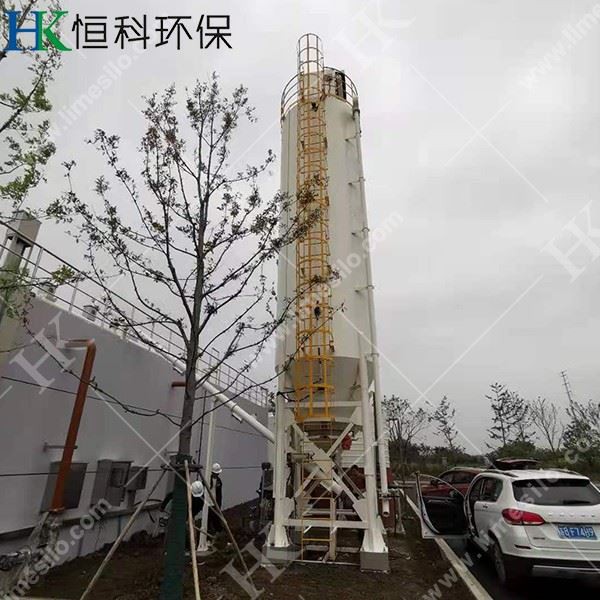

Beyond repairs and maintenance, we also offer system upgrades and retrofits to help customers adapt as their operations change. Industrial needs evolve-maybe a customer starts storing a different type of lime powder, expands their production capacity, or needs to meet new regulatory standards. Our after-sales team can assess the current silo and recommend upgrades instead of forcing the customer to replace the entire system, which saves significant time and cost. For example, a construction company that originally used our mild steel lime stone powder silos for 50-ton batches needed to scale up to 100-ton batches. Instead of building a new silo, our team retrofitted their existing system with a reinforced hopper, upgraded aeration system, and larger level sensors-cutting their project costs by 60% compared to a full replacement. We also update silos to meet environmental regulations, like adding dust collection systems to prevent lime powder from escaping into the air, which is a common requirement for industrial facilities in many regions.
Training and knowledge transfer is also a core part of our after-sales service, because a silo is only as good as the people operating it. Many silo issues aren't due to equipment failure-they're due to operator error, like overfilling the silo, using incorrect aeration settings, or storing the wrong type of lime powder. We offer on-site operator training for every customer, covering basics like routine checks, how to respond to alarm alerts, and proper discharge procedures. We also provide digital resources, like video tutorials, step-by-step maintenance guides, and a customer portal where they can access their system's service history and schedule appointments. For example, a new operator at a food processing plant didn't know how to adjust the moisture control settings on their lime storage tank, leading to caking that disrupted their lime supply for recipe mixing. Our team walked the operator through the settings over a video call that lasted 15 minutes, and we followed up with a one-hour refresher training a month later to ensure it didn't happen again.
Now, I want to be transparent about what our after-sales service doesn't cover-because trust is key. We don't offer free maintenance for systems that were modified without our approval, or for silos that were exposed to damage from improper installation or extreme weather (unless the weather damage is covered by a product defect). We also don't use low-quality generic parts, so we charge fair prices for OEM components, which is a trade-off for long-term reliability.
At the end of the day, a Lime Silo Storage System is an investment, and that investment needs to be protected. The after-sales service isn't just a bonus-it's a critical part of the value we provide as a supplier. We don't just sell a silo; we sell peace of mind, knowing that when something goes wrong, we're there to fix it fast, and that we're helping you prevent problems before they start.
If you're in the market for a lime silo storage system, or if you're a current owner looking to upgrade your after-sales support, feel free to reach out to our team to discuss your specific needs.