

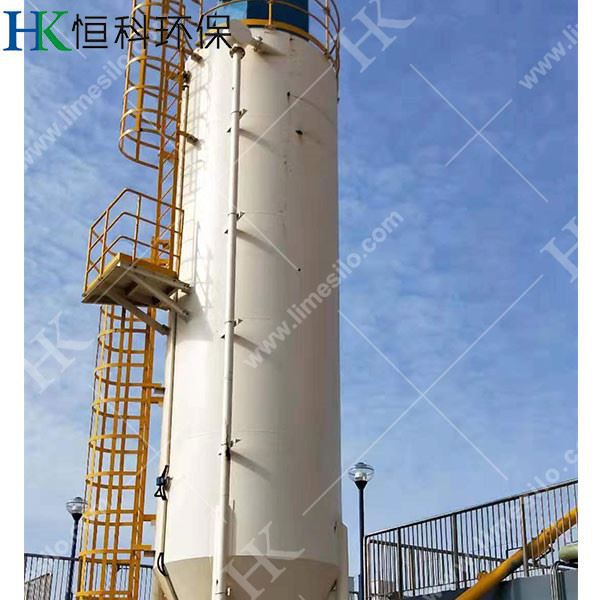
As a reputable supplier of Activated Carbon Steel Silos, I'm often asked about the loading and unloading processes of these essential storage units. In this blog, I'll delve into the details of how activated carbon is loaded into and unloaded from steel silos, highlighting the key steps, equipment, and considerations involved.
Loading Process
The loading process of an Activated Carbon Steel Silo is a crucial stage that requires careful planning and execution to ensure the efficient and safe transfer of activated carbon into the silo. Here are the main steps involved in the loading process:
1. Preparation
Before loading the activated carbon into the silo, it's essential to ensure that the silo is clean, dry, and free from any debris or contaminants. This may involve inspecting the silo for any signs of damage or corrosion, cleaning the interior surfaces, and checking the integrity of the silo's structural components.
Additionally, the loading equipment, such as conveyors, blowers, and dust collectors, should be inspected and tested to ensure proper operation. The loading area should also be clear of any obstacles or hazards, and appropriate safety measures, such as personal protective equipment (PPE) and safety barriers, should be in place.
2. Material Handling
Activated carbon can be delivered to the silo in various forms, including powder, granular, or pelletized. The material handling method used will depend on the form of the activated carbon and the specific requirements of the loading process.
For powdered activated carbon, pneumatic conveying systems are commonly used to transfer the material from the storage container to the silo. Pneumatic conveying involves using compressed air to transport the powder through a pipeline, which can be a fast and efficient way to load large quantities of material.
Granular or pelletized activated carbon can be loaded using mechanical conveying systems, such as belt conveyors, screw conveyors, or bucket elevators. These systems are typically used for smaller quantities of material or when the material needs to be transported over longer distances.
3. Loading into the Silo
Once the activated carbon has been transported to the silo, it is loaded into the silo through an inlet located at the top of the silo. The inlet is typically equipped with a dust collector to prevent the release of dust into the environment during the loading process.
During the loading process, it's important to monitor the level of the activated carbon in the silo to prevent overfilling. This can be done using level sensors or other monitoring devices, which can provide real-time information about the level of the material in the silo.
4. Compaction and Leveling
After the activated carbon has been loaded into the silo, it may be necessary to compact and level the material to ensure uniform density and prevent bridging or segregation. This can be done using a variety of methods, such as vibration, air agitation, or mechanical compaction.
Compaction and leveling are important steps in the loading process because they can help to improve the flow characteristics of the activated carbon and ensure that it can be unloaded efficiently from the silo.
Unloading Process
The unloading process of an Activated Carbon Steel Silo is equally important as the loading process, as it determines how efficiently and effectively the activated carbon can be removed from the silo and delivered to its intended destination. Here are the main steps involved in the unloading process:
1. Preparation
Before unloading the activated carbon from the silo, it's essential to ensure that the unloading equipment, such as conveyors, feeders, and valves, is clean, dry, and in good working condition. The unloading area should also be clear of any obstacles or hazards, and appropriate safety measures, such as PPE and safety barriers, should be in place.
Additionally, it's important to determine the desired flow rate and quantity of the activated carbon to be unloaded, as this will help to ensure that the unloading process is carried out efficiently and effectively.
2. Material Flow
The flow of activated carbon from the silo is typically controlled by a discharge valve located at the bottom of the silo. The discharge valve can be opened or closed to regulate the flow of material from the silo, and it can be adjusted to achieve the desired flow rate.
In some cases, it may be necessary to use additional equipment, such as fluidizers or aeration pads, to help promote the flow of activated carbon from the silo. These devices work by introducing air or other gases into the material, which can help to reduce the friction between the particles and improve the flow characteristics of the material.
3. Conveying and Transfer
Once the activated carbon has been discharged from the silo, it is typically transported to its intended destination using a conveyor system. The conveyor system can be a belt conveyor, screw conveyor, or pneumatic conveying system, depending on the specific requirements of the application.
During the conveying process, it's important to ensure that the activated carbon is transported safely and efficiently, and that it is not damaged or contaminated. This may involve using appropriate conveyor belts, pipes, or hoses, and ensuring that the conveyor system is properly maintained and lubricated.
4. Final Processing
After the activated carbon has been transported to its intended destination, it may be necessary to perform additional processing steps, such as screening, grinding, or mixing, to prepare the material for its final use. These processing steps can help to improve the quality and performance of the activated carbon, and they can ensure that it meets the specific requirements of the application.
Equipment and Considerations
The loading and unloading processes of an Activated Carbon Steel Silo require the use of specialized equipment and careful consideration of various factors to ensure the efficient and safe transfer of activated carbon. Here are some of the key equipment and considerations involved in the loading and unloading processes:

1. Conveying Systems
Conveying systems are used to transport the activated carbon from the storage container to the silo during the loading process and from the silo to its intended destination during the unloading process. The type of conveying system used will depend on the form of the activated carbon, the distance it needs to be transported, and the desired flow rate.
Pneumatic conveying systems are commonly used for powdered activated carbon, as they can provide a fast and efficient way to transport the material over long distances. Mechanical conveying systems, such as belt conveyors, screw conveyors, and bucket elevators, are typically used for granular or pelletized activated carbon.
2. Dust Collection Systems
Dust collection systems are essential for preventing the release of dust into the environment during the loading and unloading processes. These systems work by capturing the dust generated during the material handling process and filtering it out of the air before it is released into the atmosphere.
There are several types of dust collection systems available, including baghouse filters, cyclone separators, and electrostatic precipitators. The type of dust collection system used will depend on the specific requirements of the application, such as the type of dust generated, the volume of dust, and the desired level of filtration.
3. Level Monitoring Systems
Level monitoring systems are used to monitor the level of the activated carbon in the silo during the loading and unloading processes. These systems can provide real-time information about the level of the material in the silo, which can help to prevent overfilling and ensure that the silo is operated safely and efficiently.
There are several types of level monitoring systems available, including ultrasonic sensors, radar sensors, and capacitance sensors. The type of level monitoring system used will depend on the specific requirements of the application, such as the type of silo, the form of the activated carbon, and the desired level of accuracy.
4. Safety Considerations
Safety is a top priority when it comes to the loading and unloading processes of an Activated Carbon Steel Silo. Here are some of the key safety considerations to keep in mind:
- Personal Protective Equipment (PPE): Workers involved in the loading and unloading processes should wear appropriate PPE, such as dust masks, safety glasses, gloves, and safety shoes, to protect themselves from the hazards associated with handling activated carbon.
- Ventilation: Adequate ventilation should be provided in the loading and unloading areas to prevent the accumulation of dust and fumes. This may involve using exhaust fans, ventilation ducts, or other ventilation systems.
- Fire and Explosion Prevention: Activated carbon is a combustible material, and appropriate fire and explosion prevention measures should be in place to prevent the risk of fire or explosion. This may involve using explosion-proof equipment, grounding the equipment, and storing the activated carbon in a safe location.
Conclusion
The loading and unloading processes of an Activated Carbon Steel Silo are complex and require careful planning and execution to ensure the efficient and safe transfer of activated carbon. By understanding the key steps, equipment, and considerations involved in these processes, you can ensure that your activated carbon storage and handling system is designed and operated to meet your specific requirements.
If you're interested in learning more about Activated Carbon Storage Silo, Powdered Activated Carbon Silo, or Activated Carbon Injection System, or if you have any questions or concerns about the loading and unloading processes of an Activated Carbon Steel Silo, please don't hesitate to contact us. Our team of experts is here to help you find the right solution for your needs.
References
- "Activated Carbon: Properties, Applications, and Production." Encyclopedia of Chemical Processing, 2019.
- "Pneumatic Conveying Systems: Design and Operation." Chemical Engineering Journal, 2020.
- "Dust Collection Systems: Principles and Applications." Industrial and Engineering Chemistry Research, 2018.