

In the realm of industrial operations, conveyor systems play a pivotal role in streamlining processes and enhancing efficiency. As a leading supplier of conveyor systems, we understand the critical importance of each component within these systems, especially the various belt profiles. Each belt profile is designed to serve specific functions, catering to different types of materials, operating conditions, and industry requirements. In this blog post, we will delve into the functions of each belt profile in a conveyor system, providing you with a comprehensive understanding of their roles and benefits.
Flat Belt Profiles
Flat belt profiles are one of the most commonly used types in conveyor systems. These belts feature a smooth, flat surface that allows for the easy transportation of a wide range of materials, including boxes, packages, and small parts. The flat surface provides a stable platform for the materials, reducing the risk of slipping or shifting during transit.
One of the primary functions of flat belt profiles is to provide a continuous and reliable conveying path. They are ideal for applications where a smooth and gentle transfer of materials is required, such as in packaging lines, assembly operations, and food processing plants. Flat belts can be easily customized to meet specific length, width, and load capacity requirements, making them a versatile solution for various industries.
Another advantage of flat belt profiles is their ease of maintenance. The simple design of flat belts allows for quick and easy replacement of damaged sections, minimizing downtime and reducing maintenance costs. Additionally, flat belts can be easily cleaned, making them suitable for applications where hygiene is a concern, such as in the food and pharmaceutical industries.
V-Belt Profiles
V-belt profiles are characterized by their trapezoidal cross-section, which provides a high level of grip and traction. These belts are commonly used in applications where high power transmission is required, such as in industrial machinery, conveyor drives, and automotive engines.
The primary function of V-belt profiles is to transmit power efficiently from the driving pulley to the driven pulley. The trapezoidal shape of the belt wedges into the pulley grooves, creating a tight grip that prevents slippage and ensures smooth power transmission. V-belts are available in a variety of sizes and materials, allowing for customization based on the specific power requirements of the application.
In addition to power transmission, V-belt profiles also offer several other benefits. They are relatively inexpensive compared to other types of belts, making them a cost-effective solution for many applications. V-belts are also easy to install and maintain, and they can operate at high speeds without significant vibration or noise.
Timing Belt Profiles
Timing belt profiles, also known as synchronous belts, are designed to provide precise and accurate timing in conveyor systems. These belts feature teeth on the inner surface that mesh with corresponding teeth on the pulleys, ensuring that the belt and the pulleys rotate in synchronization.
The primary function of timing belt profiles is to maintain a constant speed and position of the conveyor system. This is crucial in applications where precise timing is required, such as in automated assembly lines, printing presses, and robotics. Timing belts can be used to drive multiple pulleys simultaneously, allowing for the coordinated movement of different components within the conveyor system.

Another advantage of timing belt profiles is their high efficiency. The toothed design of the belt eliminates slippage, resulting in a more efficient transfer of power compared to other types of belts. Timing belts also require less tension than other belts, reducing wear and tear on the pulleys and extending the lifespan of the belt.
Ribbed Belt Profiles
Ribbed belt profiles, also known as multi-rib belts, are similar to V-belts but feature multiple ribs on the inner surface. These ribs provide increased surface area for contact with the pulleys, resulting in improved grip and traction.
The primary function of ribbed belt profiles is to transmit power efficiently in applications where high torque and speed are required. The multiple ribs distribute the load evenly across the belt, reducing stress and wear on the individual ribs. Ribbed belts are commonly used in automotive engines, industrial machinery, and conveyor drives.
In addition to power transmission, ribbed belt profiles also offer several other benefits. They are more flexible than V-belts, allowing for use in applications with smaller pulleys and tighter bends. Ribbed belts are also less prone to vibration and noise, making them a quieter and more comfortable option for many applications.
Specialty Belt Profiles
In addition to the standard belt profiles discussed above, there are also several specialty belt profiles available for specific applications. These include:
- Sludge Screw Conveyors: These conveyors are designed to handle wet, sticky, and abrasive materials, such as sludge, wastewater, and industrial waste. The screw design of the conveyor allows for the efficient transportation of these materials, while the special belt profile provides a high level of grip and traction. Sludge Screw Conveyors
- Shaftless Screw Conveyor for Conveying Waste Materials: Shaftless screw conveyors are ideal for conveying waste materials, such as municipal solid waste, industrial waste, and biomass. The shaftless design of the conveyor eliminates the risk of material jamming and reduces maintenance requirements. Shaftless Screw Conveyor for Conveying Waste Materials
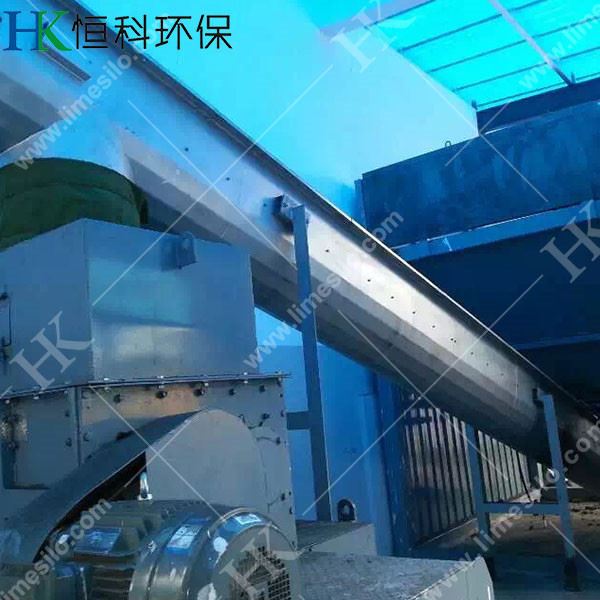
- Stainless Steel Shaftless Screw Conveyor: Stainless steel shaftless screw conveyors are suitable for applications where corrosion resistance is required, such as in the food, beverage, and pharmaceutical industries. The stainless steel construction of the conveyor ensures durability and hygiene, while the shaftless design provides efficient material handling. Stainless Steel Shaftless Screw Conveyor
Conclusion
In conclusion, each belt profile in a conveyor system serves a specific function, catering to different types of materials, operating conditions, and industry requirements. Flat belt profiles are ideal for smooth and gentle material transfer, while V-belt profiles are suitable for high power transmission. Timing belt profiles provide precise timing, and ribbed belt profiles offer improved grip and traction. Specialty belt profiles, such as sludge screw conveyors and shaftless screw conveyors, are designed for specific applications.
As a leading supplier of conveyor systems, we offer a wide range of belt profiles to meet the diverse needs of our customers. Our team of experts can help you select the right belt profile for your application, ensuring optimal performance and efficiency. If you are interested in learning more about our conveyor systems or would like to discuss your specific requirements, please contact us today. We look forward to working with you to find the best conveyor solution for your business.
References
- Conveyor Belt Handbook, published by the Conveyor Equipment Manufacturers Association (CEMA)
- Belt Drives: Selection, Application, and Maintenance, published by the American Gear Manufacturers Association (AGMA)
- Industrial Conveyor Systems: Design, Selection, and Operation, published by John Wiley & Sons, Inc.