

Hey there! As a supplier of Lifting Screw Conveyors, I often get asked about the difference between single-shaft and double-shaft lifting screw conveyors. It's a pretty common question, so I thought I'd break it down for you in this blog post.
What are Lifting Screw Conveyors?
Before we dive into the differences, let's quickly go over what lifting screw conveyors are. These are machines used to move materials vertically or at an incline. They work by using a rotating screw blade inside a tube or trough to push the material along. They're super handy in a bunch of industries, like agriculture, food processing, and manufacturing, to move stuff like grains, powders, and even sludge.
Single-Shaft Lifting Screw Conveyors
Let's start with single-shaft lifting screw conveyors. As the name suggests, these have one central shaft with a helical screw blade wrapped around it. The shaft rotates, and the blade moves the material forward.

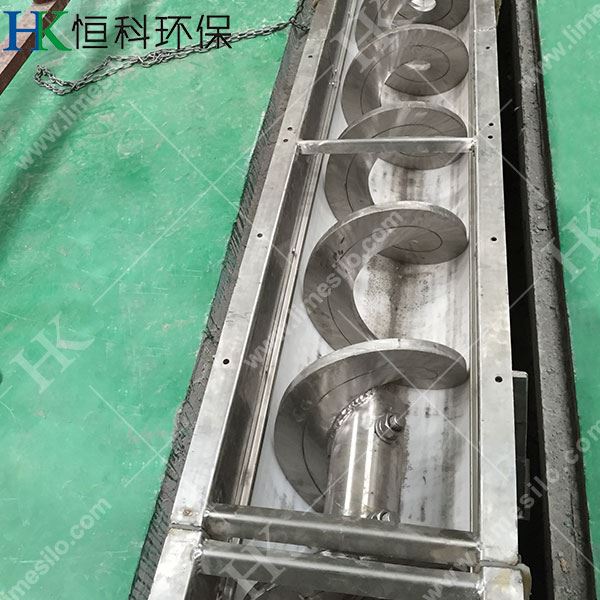
How They Work
The material is fed into the bottom of the conveyor, and as the screw rotates, it picks up the material and moves it up the incline. The design is pretty straightforward, which makes them relatively easy to install and maintain.
Advantages
- Simplicity: They're simple in design, which means fewer parts to break down. This translates to lower maintenance costs and less downtime.
- Cost-Effective: Since they have a simpler design, they're generally more affordable than double-shaft conveyors. This makes them a great option for small businesses or projects with a tight budget.
- Space-Saving: They take up less space compared to double-shaft conveyors, which can be a big plus if you're working in a cramped area.
Disadvantages
- Limited Capacity: Single-shaft conveyors have a lower capacity compared to double-shaft ones. If you need to move a large volume of material quickly, they might not be the best choice.
- Not Ideal for Sticky Materials: They can struggle with sticky or cohesive materials because the single blade might not be able to break up the clumps effectively.
Double-Shaft Lifting Screw Conveyors
Now, let's talk about double-shaft lifting screw conveyors. These have two parallel shafts with intermeshing screw blades.
How They Work
The two shafts rotate in opposite directions, which creates a more powerful and efficient movement of the material. The intermeshing blades work together to break up clumps and move the material more effectively.
Advantages
- Higher Capacity: They can handle a larger volume of material compared to single-shaft conveyors. This makes them suitable for large-scale operations where you need to move a lot of material quickly.
- Better for Sticky Materials: The intermeshing blades can break up sticky or cohesive materials more effectively, making them a better choice for handling materials like sludge or wet powders.
- Improved Mixing: The two-shaft design also provides some mixing action as the material is being conveyed. This can be useful if you need to blend different materials together while moving them.
Disadvantages
- Higher Cost: They're more expensive than single-shaft conveyors due to their more complex design and additional components.
- More Complex Maintenance: With more parts and a more complex design, they require more maintenance and expertise to keep them running smoothly.
Which One Should You Choose?
So, which type of conveyor is right for you? Well, it depends on your specific needs. If you're on a tight budget, have limited space, and don't need to move a large volume of material, a single-shaft conveyor might be the way to go. On the other hand, if you need to move a lot of material quickly, handle sticky materials, or require some mixing action, a double-shaft conveyor would be a better choice.
If you're still not sure, you can check out our Standard Screw Conveyors for more general information. For specific applications like handling sludge, our Sludge Screw Conveyor might be of interest. And if you're looking for a unique design, take a look at our U-Shaped Shaftless Screw Conveyor.
Conclusion
In conclusion, both single-shaft and double-shaft lifting screw conveyors have their own advantages and disadvantages. Understanding your specific requirements, such as the volume of material, the type of material, and your budget, will help you make the right choice.
If you're in the market for a lifting screw conveyor and want to discuss your options further, don't hesitate to reach out. We're here to help you find the perfect conveyor for your needs. Whether it's a single-shaft or double-shaft conveyor, we've got you covered.
References
- Conveyor Equipment Manufacturers Association (CEMA). (2019). Conveyor Equipment Design Manual.
- ASME B20.1 - 2016, Safety Standard for Conveyors and Related Equipment.