

As a supplier of Lime Storage Silos, I often get asked about the best location to install these essential storage units. The placement of a Lime Storage Silo is a critical decision that can significantly impact its functionality, safety, and overall efficiency. In this blog post, I'll delve into the key factors to consider when choosing the ideal spot for your Lime Storage Silo.
Accessibility and Proximity to Operations
One of the primary considerations when selecting a location for a Lime Storage Silo is its accessibility. The silo should be easily reachable for both loading and unloading operations. If it's too far from the main production area or the source of lime supply, it can lead to increased transportation costs and inefficiencies. For instance, if your lime is sourced from a nearby quarry, the silo should be located in a way that minimizes the distance between the quarry and the storage facility.
Moreover, the silo should be close to the areas where the lime will be used. This ensures a smooth flow of materials and reduces the time and effort required to transfer the lime from the silo to the production line. For industries that rely on lime in their manufacturing processes, such as the construction, chemical, and water treatment sectors, having the silo in close proximity to the production area can enhance productivity and streamline operations.
Ground Conditions
The ground conditions at the installation site play a crucial role in the stability and longevity of the Lime Storage Silo. The silo is a large and heavy structure, and it needs a solid foundation to support its weight. Before installing the silo, a geotechnical survey should be conducted to assess the soil type, bearing capacity, and potential for settlement.
If the soil is soft or unstable, additional measures may be required to strengthen the foundation. This could involve using deep foundations, such as piles or caissons, or improving the soil through methods like compaction or soil stabilization. Ignoring the ground conditions can lead to structural issues, such as silo tilting or cracking, which can compromise the safety of the facility and the quality of the stored lime.
Environmental Factors
Environmental factors, such as wind, rain, and temperature, can also affect the performance of a Lime Storage Silo. The silo should be located in an area that is protected from strong winds, as excessive wind loads can cause the silo to sway or even collapse. In coastal areas or regions prone to hurricanes, special wind-resistant designs may be necessary.
Rain and moisture can also pose a problem for lime storage. Lime is hygroscopic, which means it absorbs moisture from the air. If the silo is exposed to rain or high humidity, the lime can become damp and clump together, reducing its flowability and quality. To prevent this, the silo should be equipped with proper ventilation and a waterproof roof. Additionally, the installation site should have adequate drainage to prevent water from pooling around the silo.
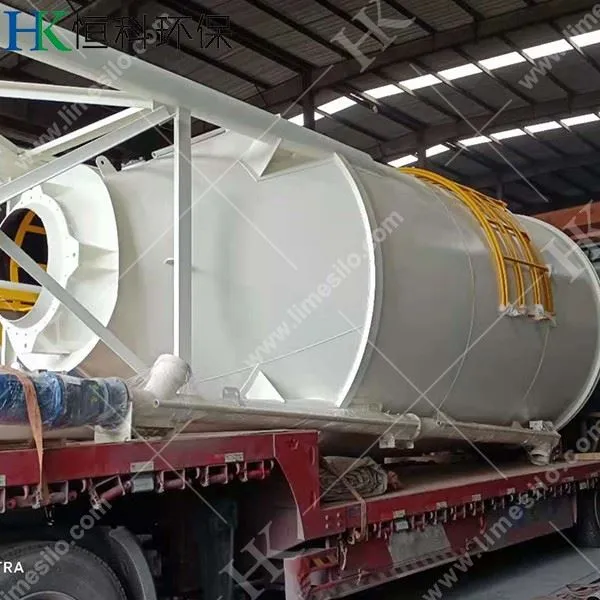

Temperature fluctuations can also impact the properties of lime. Extreme heat or cold can cause the lime to expand or contract, which can lead to stress on the silo structure. In areas with significant temperature variations, insulation may be required to maintain a stable internal temperature and protect the lime from damage.
Safety Considerations
Safety is of utmost importance when it comes to the installation of a Lime Storage Silo. The silo should be located away from areas with high traffic, such as roads and railways, to minimize the risk of collisions. It should also be placed at a safe distance from other buildings and structures to prevent the spread of fire or explosion in case of an emergency.
In addition, the silo should be equipped with appropriate safety features, such as access ladders, handrails, and safety gates. These features ensure the safety of workers during maintenance and inspection activities. Regular safety inspections and maintenance should also be carried out to identify and address any potential hazards.
Regulatory Requirements
Before installing a Lime Storage Silo, it's essential to comply with all relevant regulatory requirements. This includes obtaining the necessary permits and approvals from local authorities. Different regions may have specific regulations regarding the installation, operation, and safety of silos. Failure to comply with these regulations can result in fines, penalties, and even the shutdown of the facility.
Some regulatory requirements may include setback distances from property lines, environmental impact assessments, and fire safety standards. It's important to work closely with local authorities and regulatory agencies to ensure that your Lime Storage Silo meets all the necessary requirements.
Future Expansion
When choosing a location for your Lime Storage Silo, it's also important to consider future expansion plans. If your business is expected to grow in the future, you may need to increase the storage capacity of the silo or add additional silos. Therefore, the installation site should have enough space to accommodate future expansion without causing any disruptions to the existing operations.
Conclusion
In conclusion, choosing the best location for a Lime Storage Silo requires careful consideration of various factors, including accessibility, ground conditions, environmental factors, safety, regulatory requirements, and future expansion plans. By taking these factors into account, you can ensure that your Lime Storage Silo is installed in a location that maximizes its functionality, safety, and efficiency.
If you're in the market for a Lime Storage Silo, Industrial Silos Lime Storage Tanks are a great option. Our Lime Storage Silo is designed to meet the highest standards of quality and performance, and our Lime Powder Silo Powder Tanks are ideal for storing lime powder.
We have a team of experienced professionals who can help you choose the best location for your Lime Storage Silo and ensure a smooth installation process. If you have any questions or would like to discuss your specific requirements, please don't hesitate to contact us. We look forward to working with you to provide the best Lime Storage Silo solution for your business.
References
- "Silo Design and Construction Handbook" by John Doe
- "Industrial Storage Silos: Design, Analysis, and Construction" by Jane Smith
- Local building codes and regulations