

When it comes to the installation requirements for an Activated Carbon Silo, there are several crucial aspects that need to be carefully considered. As a reliable Activated Carbon Silo supplier, we understand the significance of these requirements and are committed to providing you with the most comprehensive and professional guidance.
Site Selection and Preparation
The first step in the installation process is the selection of an appropriate site for the Activated Carbon Silo. The site should have a flat and stable foundation to ensure the structural integrity of the silo. It is essential to conduct a thorough geological survey of the area to determine its load - bearing capacity. In general, the ground should be able to support the weight of the fully - loaded silo, taking into account the weight of the activated carbon, the silo itself, and any additional equipment or accessories.
The site should also be well - drained to prevent water from accumulating around the silo. Standing water can cause corrosion of the silo structure, which can significantly reduce its lifespan. Adequate drainage can be achieved through the installation of a proper drainage system, such as a French drain or a sloped surface leading away from the silo.
Moreover, the location of the silo should be easily accessible for transportation. This includes having sufficient space for trucks to load and unload the activated carbon. The access road should be wide enough and have a suitable surface to support heavy vehicles. It is advisable to have a direct connection to a main road to facilitate the smooth flow of goods.
Structural and Technical Requirements
- Silo Design and Capacity
The design of the Activated Carbon Silo is crucial for its proper functioning. The silo should be designed to handle the specific type of activated carbon being stored. Different types of activated carbon may have varying densities, flow properties, and moisture contents. For example, powdered activated carbon has different flow characteristics compared to granular activated carbon.
When determining the capacity of the silo, it is necessary to consider the consumption rate of activated carbon in your facility. A larger capacity silo may reduce the frequency of refills, but it also requires more space and a more substantial initial investment. On the other hand, a smaller capacity silo may need to be refilled more often, which can increase operational costs. Our Self - Contained Storage Silo for Powder Activated Carbon comes in a variety of sizes and designs to meet different customer needs.
-
Material Selection
The material of the silo plays a vital role in its durability and performance. For Activated Carbon Silos, stainless steel or carbon steel is commonly used. Stainless steel offers excellent corrosion resistance, which is particularly important when storing activated carbon, as it may contain certain chemicals that could cause corrosion over time. Carbon steel is a more cost - effective option, but it may require additional protective coatings to prevent rusting. -
Ventilation System
A proper ventilation system is essential for an Activated Carbon Silo. Activated carbon can adsorb moisture and other gases, and without adequate ventilation, the silo may accumulate humidity, leading to the agglomeration of the activated carbon. This can affect the flowability of the carbon and reduce its effectiveness. The ventilation system should be designed to ensure a continuous supply of fresh air and to remove any stagnant air or moisture from the silo.
-
Level Monitoring and Control System
A reliable level monitoring and control system is necessary to keep track of the amount of activated carbon in the silo. This system can help prevent overfilling or underfilling of the silo. There are various types of level sensors available, such as ultrasonic sensors, radar sensors, and capacitance sensors. These sensors can provide real - time information about the level of the activated carbon, allowing for timely refills or adjustments.
Safety Requirements
-
Fire and Explosion Prevention
Activated carbon is prone to spontaneous combustion under certain conditions, especially when it comes into contact with oxygen. Therefore, fire and explosion prevention measures are of utmost importance. The silo should be equipped with fire - suppression systems, such as sprinklers or foam extinguishers. Additionally, the electrical equipment inside and around the silo should be explosion - proof to prevent any potential ignition sources. -
Dust Control
The handling of activated carbon can generate a significant amount of dust. This dust can be a health hazard to workers and can also cause environmental pollution. To control dust, the silo should be equipped with dust collectors. These collectors can capture the dust particles generated during the filling, discharging, and transportation processes, ensuring a clean and safe working environment. -
Safety Devices and Signage
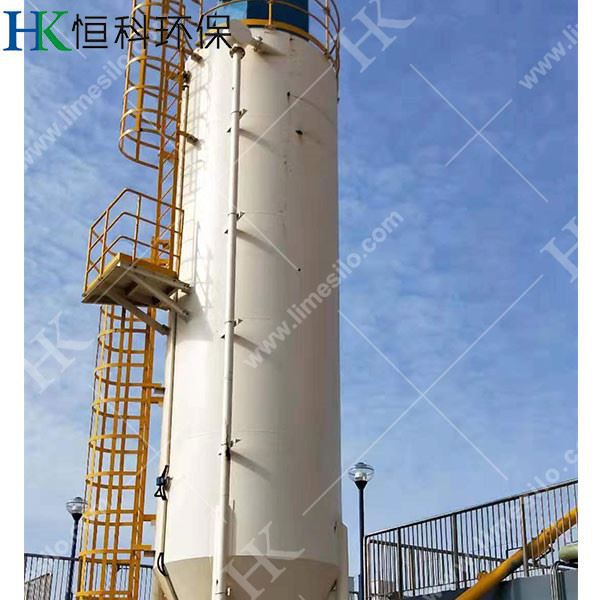
The Activated Carbon Silo should be equipped with safety devices such as ladders, handrails, and safety gates. These devices can prevent falls and other accidents during the installation, maintenance, and operation of the silo. Adequate safety signage should also be installed around the silo to provide clear instructions and warnings to workers.
Installation Process
-
Foundation Installation
Once the site is prepared, the first step in the installation process is the construction of the foundation. The foundation should be built according to the design specifications of the silo. Reinforced concrete is commonly used for the foundation to provide sufficient strength and stability. After the concrete is poured and cured, the silo can be installed on top of the foundation. -
Silo Assembly
The silo is usually delivered to the site in sections and needs to be assembled on - site. This requires a team of experienced technicians to ensure that the assembly is carried out correctly. All the components should be properly aligned and connected to avoid any leaks or structural issues. -
Equipment Installation
After the silo is assembled, the ventilation system, level monitoring system, dust collectors, and other equipment need to be installed. These components should be installed in accordance with the manufacturer's instructions to ensure their proper functioning. -
Testing and Commissioning
Once all the installation work is completed, a series of tests should be conducted to ensure the safety and performance of the Activated Carbon Silo. This includes pressure tests, leak tests, and functionality tests of all the equipment. The silo should be thoroughly inspected before it is commissioned for regular use.
Maintenance and Support
As an Activated Carbon Silo supplier, we not only provide high - quality silos but also offer comprehensive maintenance and support services. Regular maintenance is essential to ensure the long - term performance and safety of the silo. This includes inspection of the silo structure, replacement of worn - out parts, and calibration of the monitoring systems.
If you are in the market for an Activated Carbon Silo, we encourage you to reach out to us for a free consultation. Our team of experts can help you determine the best silo solution for your specific needs, taking into consideration all the installation requirements mentioned above. Whether you need a Powdered Activated Carbon Silo or Activated Carbon Injection ACI Systems, we have the expertise and resources to assist you. Don't hesitate to contact us to start the procurement and installation process. Let us work together to ensure the smooth operation of your activated carbon storage and handling systems.
References
- Industrial Silo Handbook: A Guide to Design, Construction, and Operation.
- Safety Standards for Storage Silos in the Chemical Industry.
- Technical Manual on Activated Carbon Storage and Handling.