

A vertical conveyor system is a crucial component in many industrial applications, facilitating the efficient movement of materials between different levels. As a supplier of conveyor systems, I understand the importance of considering various factors during the design process to ensure optimal performance, reliability, and safety. In this blog post, I will discuss the key design considerations for a vertical conveyor system.
Material Characteristics
The first and foremost consideration in designing a vertical conveyor system is the characteristics of the material to be conveyed. Different materials have different properties, such as size, shape, density, and flowability, which can significantly impact the conveyor's performance.
- Size and Shape: The size and shape of the material determine the appropriate conveyor type and dimensions. For example, large and irregularly shaped materials may require a bucket elevator or a pneumatic conveyor, while small and granular materials can be transported using a screw conveyor.
- Density: The density of the material affects the conveyor's capacity and power requirements. Heavier materials require more energy to lift and may necessitate a stronger conveyor structure.
- Flowability: The flowability of the material refers to its ability to move freely through the conveyor. Materials with poor flowability, such as sticky or cohesive substances, may require special design features, such as vibratory feeders or anti - sticking coatings, to prevent blockages.
Capacity Requirements
Determining the required capacity of the vertical conveyor system is essential to meet the production demands of the facility. Capacity is typically measured in terms of the mass or volume of material that the conveyor can transport per unit of time, such as tons per hour or cubic meters per minute.
- Production Rate: Analyze the production rate of the upstream and downstream processes to ensure that the conveyor can handle the expected material flow. Consider factors such as peak production periods and any potential future growth in production volume.
- Batch vs. Continuous Operation: Decide whether the conveyor will operate in a batch or continuous mode. Batch operation involves transporting a specific quantity of material at regular intervals, while continuous operation requires a constant flow of material. This decision will influence the conveyor's design and control system.
Conveyor Type Selection
There are several types of vertical conveyor systems available, each with its own advantages and limitations. The choice of conveyor type depends on the material characteristics, capacity requirements, and the specific application.
- Bucket Elevators: Bucket elevators are commonly used for transporting bulk materials vertically. They consist of a series of buckets attached to a chain or belt that moves in a continuous loop. Bucket elevators are suitable for handling a wide range of materials, including grains, minerals, and powders.
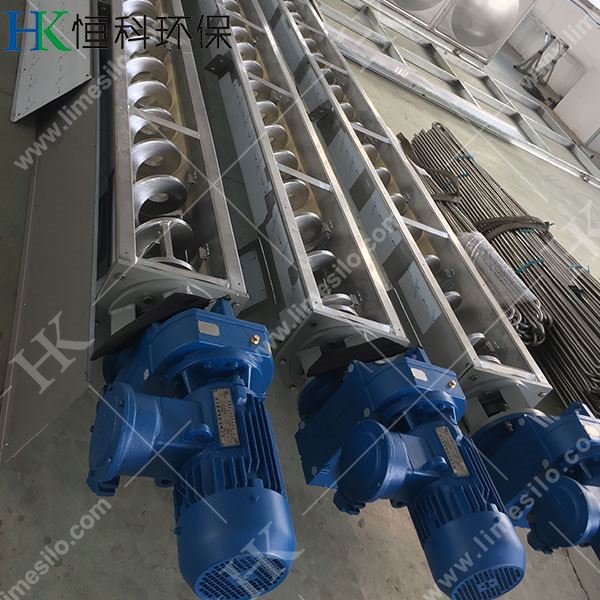
- Screw Conveyors: Screw conveyors are simple and cost - effective solutions for vertical material handling. They use a rotating screw to move the material along the conveyor tube. Screw conveyors are ideal for handling granular and powdery materials. For more information on our screw conveyors, you can check out our Stainless Steel Shaftless Screw Conveyor, Inclined Shaftless Screw Conveyor, and Horizontal Screw Conveyor Integrated Machine.
- Pneumatic Conveyors: Pneumatic conveyors use air pressure to transport materials through a pipeline. They are suitable for handling fine powders and lightweight materials. Pneumatic conveyors offer a dust - free and flexible solution for vertical material transfer.
Space and Layout Constraints
The available space and layout of the facility play a significant role in the design of the vertical conveyor system. Consider the following factors:
- Height and Footprint: Determine the maximum height and available floor space for the conveyor installation. This will help in selecting the appropriate conveyor type and configuration. For example, if space is limited, a compact vertical conveyor design may be required.
- Integration with Existing Equipment: Ensure that the vertical conveyor system can be easily integrated with the existing production equipment, such as storage silos, processing machines, and packaging lines. Consider the alignment, access, and connection points to minimize disruptions to the overall production process.
Safety Considerations
Safety is of utmost importance in the design of any conveyor system. A vertical conveyor system should be designed to prevent accidents and protect the operators and maintenance personnel.

- Guardrails and Enclosures: Install guardrails and enclosures around the conveyor to prevent unauthorized access and protect against falling objects. Ensure that the guards are properly designed and installed to meet relevant safety standards.
- Emergency Stop Buttons: Provide easily accessible emergency stop buttons along the length of the conveyor to allow operators to quickly stop the conveyor in case of an emergency.
- Overload Protection: Incorporate overload protection devices, such as torque limiters and motor overload relays, to prevent damage to the conveyor components and ensure safe operation.
Maintenance and Serviceability
A well - designed vertical conveyor system should be easy to maintain and service to minimize downtime and ensure long - term reliability.
- Accessibility: Design the conveyor with easy access to all critical components, such as motors, bearings, and belts, for inspection, cleaning, and maintenance. Provide removable panels and hatches to facilitate access.
- Lubrication and Cleaning: Consider the lubrication requirements of the conveyor components and design a system that allows for easy lubrication. Additionally, design the conveyor to be easy to clean to prevent the buildup of material residues.
- Spare Parts Availability: Ensure that spare parts for the conveyor system are readily available to minimize the time required for repairs. Work with a supplier who can provide a comprehensive range of spare parts and technical support.
Control and Automation
The control and automation of the vertical conveyor system can enhance its efficiency, accuracy, and safety.
- Speed Control: Implement a speed control system to adjust the conveyor speed according to the material flow and production requirements. This can help optimize the conveyor's performance and reduce energy consumption.
- Level Sensors and Feedback: Use level sensors to monitor the material level in the conveyor and provide feedback to the control system. This can help prevent overloading and ensure a continuous and smooth material flow.
- Automated Loading and Unloading: Consider integrating automated loading and unloading systems to improve the overall efficiency of the material handling process. This can reduce the need for manual labor and increase productivity.
Cost Considerations
Cost is an important factor in the design of a vertical conveyor system. While it is essential to ensure that the conveyor meets all the performance and safety requirements, it is also necessary to keep the costs within budget.
- Initial Investment: Evaluate the initial cost of the conveyor system, including the equipment, installation, and commissioning. Compare different conveyor types and suppliers to find the most cost - effective solution.
- Operating Costs: Consider the long - term operating costs, such as energy consumption, maintenance, and spare parts. A more energy - efficient conveyor design can result in significant cost savings over the life of the system.
In conclusion, designing a vertical conveyor system requires careful consideration of multiple factors, including material characteristics, capacity requirements, conveyor type selection, space and layout constraints, safety, maintenance, control, and cost. By taking these factors into account, you can ensure that the conveyor system meets your specific needs and provides reliable and efficient material handling solutions.
If you are interested in purchasing a vertical conveyor system or have any questions about our conveyor products, we invite you to contact us for a detailed discussion. Our team of experts is ready to assist you in selecting the right conveyor system for your application and providing you with the best possible solution.
References
- ASME B20.1 - Safety Standard for Conveyors and Related Equipment
- OSHA Regulations for Conveyor Safety
- Manufacturer's Technical Documentation for Conveyor Systems