

If you're running a waste management, food processing, or municipal recycling operation, you've probably encountered shaftless screw conveyors-they're the workhorses for moving messy, bulky, or sticky materials that would jam up a traditional screwed conveyor. But let's be real: even with their big advantages (no central shaft means less clogging), they still throw common problems that can shut down lines, waste time, and eat into profits. I've been working with shaftless screw conveyors for years as a supplier, and I've seen every headache from stuck materials to worn spiral blades. Today I'm breaking down the most frequent issues, what causes them, and how to fix them-plus I'll point you to our specialized solutions at Screw Conveyors System (/conveyor-system/screw-conveyors-system.html) that might just save you the hassle.
First, let's get on the same page about what a shaftless screw conveyor is, in case you're new. Unlike the old-school screw with a solid steel shaft running down the middle, this one uses a flexible spiral blade (that's the shaftless "spiral") to push materials along a trough. That open design is why they're perfect for stuff like municipal solid waste, food scraps, wet sludge, or bulky recyclables-things that would wrap around or bind a standard shafted conveyor. But that lack of a central structure comes with its own set of quirks.
One of the most annoying problems I hear about all the time is material buildup and clogging. It makes total sense when you think about it: shaftless conveyors are handling materials that are often damp, sticky, or coated in gunk-food residue, wet paper, yard waste, even industrial sludge. Over time, this gunk sticks to the inside of the trough or the spiral blades, builds up layer after layer, and creates dead spots where material gets stuck. Eventually, it restricts movement, slows down the conveyor, or even jams it completely so you have to shut down the line to clean it out. I've had customers tell me they're pulling 2-hour cleaning shifts every shift because of this-total productivity killer.
What causes this buildup? Let's narrow it down. First, if you're running a conveyor that's too small for your material volume, that's a quick recipe for mess. A common mistake is sizing the conveyor based on a standard calculation that doesn't account for your specific material's stickiness or bulk density. Second, not using the right trough coating or material for your application. If you're moving acidic food waste, a basic carbon steel trough will corrode, making it extra porous for gunk to stick to. Third, poor angle of incline. If your conveyor is pitched too low, gravity doesn't help push the loose material through, so it just settles and builds up in the bottom of the trough.
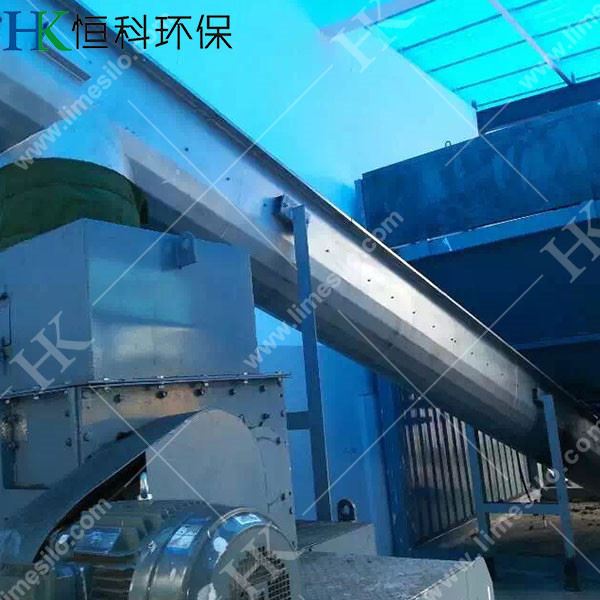
How do you solve this? First, get the right sizing-works with our Screw Conveyors System (/conveyor-system/screw-conveyors-system.html) to do a site assessment and run material tests, not just basic calculations. Next, upgrade to a trough with a non-stick, corrosion-resistant lining like HDPE or ceramic. That stuff prevents gunk from adhering to the surface in the first place, so cleanup is way faster. For more corrosive materials like food or industrial sludge, check out our Stainless Steel Inclined Screw Conveyor (/conveyor-system/stainless-steel-inclined-screw-conveyor.html)-stainless steel is less porous and stands up to acids, so it doesn't corrode and get gunked up easily. And make sure your incline is set between 15 and 30 degrees; too flat and gravity doesn't help, too steep and heavy material slips back, creating backups.
Next big issue: excessive wear on the spiral blade and trough liner. The spiral is the core part of the conveyor-if it wears out, the whole thing stops moving materials efficiently. What causes this? Abrasive materials, like glass fragments, metal shavings, sand, or construction debris, grind against the spiral and trough every time the conveyor runs. Over time, the edge of the spiral blade gets thin, and the trough liner wears down, so you get gaps where material can get stuck, or the blade doesn't push material anymore. I've seen a customer who was running construction waste get a spiral that wore out in 6 months-that's not budget-friendly by any means.
Another culprit for wear is misalignment of the spiral. If the spiral isn't mounted straight, it rubs against the trough liner on one side every rotation, wearing out that side of the liner and blade faster. Also, if you're running the conveyor at a higher speed than it's rated for, the spiral is moving too fast, which creates more friction with the material and trough, speeding up wear.
Fixing wear issues starts with choosing the right materials. For abrasive applications, go for a spiral made of high-chrome steel or heat-treated carbon steel-those are way more durable than standard mild steel. And if abrasion is extra bad, our Shaftless Spiral Conveyors (/conveyor-system/shaftless-spiral-conveyors.html) come with a hard-faced spiral edge that resists grinding from tough materials. If stainless steel is a better fit for your application (like food processing where hygiene is key), our Stainless Steel Shaftless Screw Conveyor (/conveyor-system/stainless-steel-shaftless-screw-conveyor.html) uses solid stainless steel blades that hold up to abrasion without corroding. Also, do regular alignment checks every 3 months-loosen the spiral mount bolts and adjust so it's centered in the trough, which keeps wear even and prevents side rubbing. And stick to the recommended speed for your conveyor; speed ratings aren't arbitrary-they're set to minimize friction and wear for the specific material you're moving.
Third problem: frequent motor and drive unit failures. The motor is what turns the spiral, so if it's failing, the whole conveyor is down. This is usually caused by the conveyor working too hard to push against buildup, jammed material, or excessive friction from worn parts. When material is stuck, the motor has to put in way more torque than it's designed for, which overheats the motor, burns out the windings, or blows the drive belt. I've had a customer who skipped regular maintenance, so their conveyor got backed up with food sludge for a day-next thing they knew, the motor was fried and they were down for 3 days waiting for a replacement.
Another cause of drive failure is undersized motors. Some customers buy a conveyor based on upfront cost, not the actual load their material will put on it. If your conveyor has to push bulky, dense material (like compacted waste) through the trough, a small motor will burn out trying to handle that load. Also, electrical issues like faulty wiring or voltage drops can put extra stress on the motor over time.
How to keep your drive and motor running? First, fix the buildup and clogging issues we talked about earlier-eliminate the extra load on the motor. Do regular preventive maintenance: check the drive belt tension every month, clean around the motor to make sure it's not overheating, and test voltage to make sure it's consistent. If you're working with heavy, dense materials, go for a motor with higher torque rating than the basic model-this is a case where spending a little more upfront saves you from costly emergency repairs. Our team has helped dozens of customers upgrade their drive systems to handle heavier loads, and it's cut motor failures by 70% in many cases.
Fourth common headache: inconsistent material flow and segregation. You run a shaftless conveyor to move materials evenly, but sometimes you end up with stuff clogging one part of the trough and nothing moving in another-this is inconsistent flow. Segregation is when the finer parts of your material (like sand in construction waste) separate from the bulk and settle in the bottom, while heavier, bulkier pieces get stuck higher up. This is a big problem because it reduces capacity and can lead to more buildup.
What causes this? It's usually two things: poor trough design and wrong pitch of the spiral. If your trough has a flat bottom, fine materials sink right there and don't get pushed along. Or if the spiral pitch (the distance between the edges of two consecutive spiral blades) is too large, the spiral doesn't grip the material well, so it slips instead of pushing. If the pitch is too small, it moves too much material at once, creating backups. For example, our U-Shaped Shaftless Screw Conveyor (/conveyor-system/u-shaped-shaftless-screw-conveyor.html) has a curved trough that helps guide materials evenly, which prevents fine particles from settling at the bottom.
The fix here is tailored to your material. If you're dealing with fine particles like sludge or dust, upgrade to a curved U-shaped trough instead of a flat or V-shaped one-this lets the spiral push material more uniformly across the entire trough width. Adjust the spiral pitch to match your material: for wet, sticky materials, a shorter pitch (closer blades) gives more grip to move it along. For bulkier recyclables, a slightly longer pitch can handle more volume without jamming. If you're not sure what pitch is right, run a small test with our team at Screw Conveyors System-we've done custom pitch adjustments for customers that fixed flow issues overnight.
Another thing I see a lot is improper sealing around the trough ends. If you're moving materials that are wet, dusty, or messy, gaps where the spiral enters and exits the trough let material leak out onto the floor. That's not just a mess to clean up-it's a safety hazard (slippery floors are a big OSHA no-no) and a loss of material you paid to process.
What causes leakage? Worn seal kits on the inlet and outlet ends. Seals are the only thing keeping material from escaping, and over time, they get worn down from friction against the spiral or corroded by the material. Or if the end of the trough isn't properly aligned with the spiral, the seal doesn't sit right, creating gaps.
Fixing leakage is pretty straightforward: replace the seal kits every 6 to 12 months, depending on your material's abrasiveness. For extra-messy materials, go for a dual seal kit that's more durable than a basic single seal. Also, do a monthly check of the alignment between the spiral and trough ends-adjust the mounts if they're off, so the seal sits flush and doesn't get torn or worn quickly.
Now, let's talk about some proactive steps you can take to avoid all these problems in the first place, because most of these issues aren't inevitable-they're just signs that the conveyor isn't set up right for your specific application. First, don't rely on generic specs when buying a shaftless screw conveyor. Every material is different: food scraps vs. municipal waste vs. construction debris all need different spiral materials, trough designs, and inclines. Our team doesn't just sell you a conveyor and send you on your way-we ask about your specific material, volume, site layout, and maintenance schedule to build a custom fit. That's why our Stainless Steel Inclined Screw Conveyor is perfect for food processing, where hygiene and corrosion resistance are non-negotiable, but our Shaftless Spiral Conveyors work way better for dense, abrasive waste.
Second, stick to a regular maintenance routine. I can't stress this enough-most of the problems I see could have been avoided with monthly checks. Here's a simple maintenance checklist that works for most customers: weekly, check for material buildup on the spiral and trough; monthly, check spiral alignment, belt tension, and seal condition; every 3 months, inspect the spiral and trough for wear, and replace worn parts before they cause bigger issues. It takes a few hours a month, but it saves you from 24+ hours of downtime from a jammed or broken conveyor.
Third, if you're having ongoing problems with your current conveyor, don't just "tough it out." A lot of customers wait until the conveyor is completely broken before looking for solutions, but small tweaks can fix big issues. For example, if your clogging is bad, adding a spray nozzle for low-pressure water to the inlet can help break up sticky material before it enters the trough-no need to replace the whole conveyor. Our team at Screw Conveyors System does free quick assessments for customers who are having trouble, so you don't have to guess what's wrong.
Let's wrap this up with a real example, to make this concrete. A customer of mine who runs a food waste composting facility was dealing with constant clogs in their old shaftless conveyor. They were using a flat, carbon steel trough that was corroding and letting food sludge stick, plus a spiral that was too thin for the acidic waste. We swapped out their flat trough for our U-Shaped Shaftless Screw Conveyor with a HDPE lining, replaced their carbon steel spiral with a high-chrome one, and adjusted their incline to 20 degrees. Within a week, they reported that cleaning time dropped from 2 hours per shift to 20 minutes, and their downtime from clogs went from 10 hours a week to less than 1 hour. That's the kind of win we love to see.

If you're dealing with any of these shaftless screw conveyor problems-clogging, wear, motor failures, flow issues, leakage-you don't have to keep putting up with it. We work with operations across industries, from waste management to food processing to recycling, to build and maintain conveyors that fit their exact needs. If you want to talk through your specific challenges, size up a new conveyor, or get tips to fix your current one, reach out to our team at Screw Conveyors System. We don't do one-size-fits-all solutions, because we know your operation's needs are unique.
Just to recap the key takeaways: most common shaftless screw conveyor issues come from poor sizing, wrong materials, lack of maintenance, or bad design for your specific material. By addressing the root causes-whether that's upgrading your liner, adjusting spiral pitch, replacing worn parts, or getting a custom conveyor fit-you can cut downtime, reduce maintenance costs, and keep your line running smoothly. Don't let a faulty conveyor hold your operation back-let's find the right solution together.