

As a seasoned supplier of Activated Carbon Silos, I've witnessed firsthand the crucial role these structures play in various industries. Activated carbon, known for its high adsorption capacity, is widely used in water treatment, air purification, and chemical processing. However, like any industrial equipment, Activated Carbon Silos are prone to several maintenance problems that can affect their performance and longevity. In this blog, I'll discuss some of the most common maintenance issues and offer practical solutions to keep your silos in top shape.
1. Dust Accumulation
One of the most prevalent problems in Activated Carbon Silos is dust accumulation. Activated carbon is a fine powder, and during filling, discharging, or agitation processes, dust can escape into the silo's internal environment. Over time, this dust can build up on the walls, floors, and internal components of the silo.
The accumulation of dust not only reduces the effective storage volume of the silo but also poses a safety hazard. Fine carbon dust is combustible, and in high concentrations, it can create an explosive atmosphere. Moreover, dust can clog ventilation systems, pressure relief valves, and other critical components, leading to operational failures.
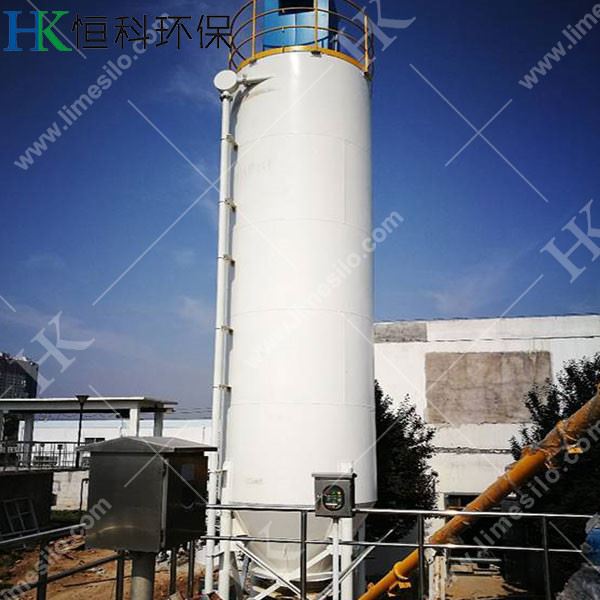

To address this issue, regular cleaning of the silo is essential. Installing dust collection systems can help capture and remove dust during filling and discharging operations. Additionally, using proper sealing materials on access doors, hatches, and joints can prevent dust from escaping the silo. For more information on an integrated system that can help with dust management, check out our Activated Carbon Storage and Feed System.
2. Material Bridging and Ratholing
Material bridging and ratholing are common flow problems in Activated Carbon Silos. Bridging occurs when the activated carbon forms an arch or bridge over the outlet of the silo, preventing the material from flowing freely. Ratholing, on the other hand, happens when the material forms a vertical channel or hole through the center of the silo, leaving the surrounding material stagnant.
These flow problems can be caused by several factors, including the cohesive nature of the activated carbon, improper silo design, and the presence of moisture. When bridging or ratholing occurs, it can lead to uneven discharge, reduced flow rates, and in some cases, complete blockages.
To prevent material bridging and ratholing, it's important to design the silo with the appropriate hopper angle and outlet size. Using flow aids such as vibrators, air cannons, or fluidizing pads can also help promote material flow. Regular inspection of the silo's internal structure can identify early signs of bridging or ratholing, allowing for timely intervention. Our Powdered Activated Carbon Silo is designed with features to minimize these flow problems.
3. Corrosion
Corrosion is another significant maintenance concern for Activated Carbon Silos. The activated carbon itself can be abrasive, and when combined with moisture or chemicals in the environment, it can accelerate the corrosion process. Corrosion can weaken the structural integrity of the silo, leading to leaks, cracks, and even collapse.
The type of corrosion that occurs in Activated Carbon Silos can vary depending on the material of construction. For example, carbon steel silos are prone to rusting, while stainless steel silos can be susceptible to pitting corrosion in the presence of chloride ions.
To prevent corrosion, selecting the appropriate material of construction is crucial. Stainless steel is often a preferred choice due to its corrosion resistance. Applying protective coatings on the internal and external surfaces of the silo can also provide an additional layer of protection. Regular inspection for signs of corrosion, such as rust spots or discoloration, and prompt repair of any damaged areas are essential to maintain the silo's integrity.
4. Moisture Ingress
Moisture ingress is a common problem that can affect the quality of the activated carbon stored in the silo. Activated carbon has a high affinity for water, and when exposed to moisture, it can lose its adsorption capacity. Moisture can also cause the activated carbon to clump together, leading to flow problems and reduced effectiveness.
Moisture can enter the silo through various sources, including leaks in the roof, walls, or doors, as well as through poor ventilation. Condensation can also occur inside the silo, especially in environments with large temperature variations.
To prevent moisture ingress, ensuring proper sealing of the silo is essential. Installing moisture barriers and using desiccants can help absorb any moisture that enters the silo. Adequate ventilation can also help reduce humidity levels inside the silo. Our Activated Carbon Injection System can be designed to minimize moisture exposure during the injection process.
5. Equipment Wear and Tear
The various components of the Activated Carbon Silo, such as conveyors, valves, and agitators, are subject to wear and tear over time. Continuous operation, friction, and the abrasive nature of the activated carbon can cause these components to degrade, leading to reduced performance and potential breakdowns.
Regular maintenance and inspection of these components are necessary to identify and replace worn parts before they cause significant problems. Lubricating moving parts, adjusting belts and chains, and monitoring the performance of motors and sensors can help extend the lifespan of the equipment.
6. Sensor and Control System Malfunctions
Modern Activated Carbon Silos are often equipped with sensors and control systems to monitor and regulate various parameters, such as level, temperature, and pressure. Malfunctions in these systems can lead to inaccurate readings, improper operation, and potential safety hazards.
Sensor failures can be caused by a variety of factors, including dust accumulation, corrosion, and electrical issues. Control system malfunctions can result from software glitches, hardware failures, or improper calibration.
To ensure the reliability of the sensor and control systems, regular testing and calibration are required. Keeping the sensors clean and protected from the environment can also prevent premature failures. In case of malfunctions, having a trained maintenance team or access to technical support is essential for quick resolution.
Conclusion
Maintaining an Activated Carbon Silo is a complex but necessary task to ensure its optimal performance and longevity. By being aware of the common maintenance problems, such as dust accumulation, material bridging, corrosion, moisture ingress, equipment wear and tear, and sensor and control system malfunctions, and taking proactive measures to address them, you can minimize downtime, reduce costs, and ensure the safety and efficiency of your operations.
If you're facing any of these maintenance issues or are in the market for a new Activated Carbon Silo, we're here to help. Our team of experts can provide customized solutions tailored to your specific needs. Contact us today to start a discussion about your requirements and explore how our products can meet your expectations.
References
- Perry, R. H., & Green, D. W. (Eds.). (2008). Perry's Chemical Engineers' Handbook. McGraw-Hill.
- ASME B31.3 Process Piping Code. American Society of Mechanical Engineers.
- ISO 14644-1 Cleanrooms and associated controlled environments - Part 1: Classification of air cleanliness. International Organization for Standardization.