

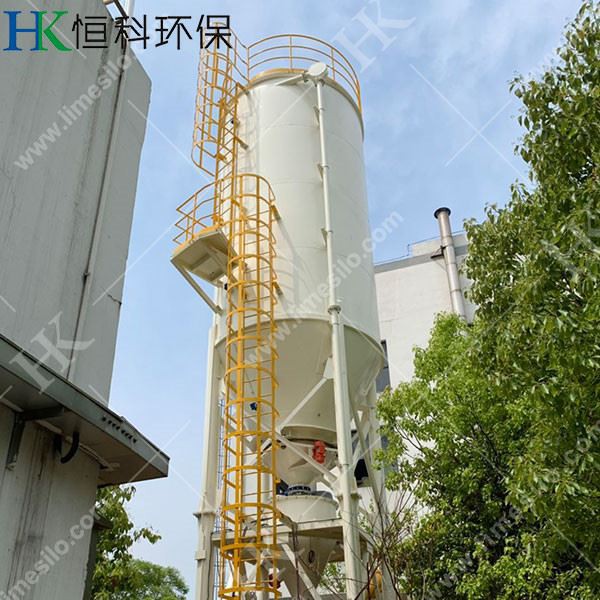
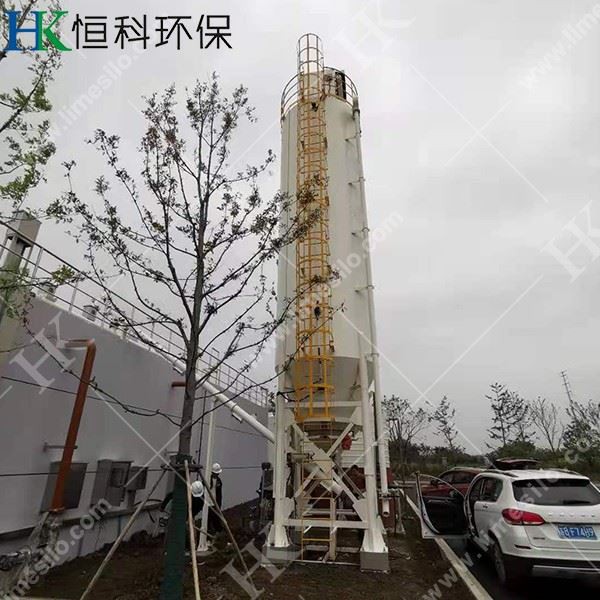
When it comes to the storage of lime, a lime steel silo is an indispensable asset in many industrial settings. As a dedicated lime steel silo supplier, I have witnessed firsthand the importance of understanding the various accessories that complement these silos. These accessories not only enhance the functionality of the silos but also ensure the safe and efficient storage of lime. In this blog post, I will delve into the key accessories of a lime steel silo, explaining their roles and benefits.
Level Indicators
Level indicators are crucial accessories for lime steel silos. They provide real - time information about the quantity of lime stored inside the silo. There are different types of level indicators available, such as mechanical, ultrasonic, and radar level indicators.
Mechanical level indicators work on a simple principle. They use a rotating paddle or a vibrating fork. When the lime reaches the level of the paddle or fork, it causes a change in the mechanical movement, which is then detected and signaled. These indicators are relatively inexpensive and easy to install. However, they may be prone to wear and tear, especially in abrasive lime environments.
Ultrasonic level indicators use sound waves to measure the distance between the sensor and the surface of the lime. They are non - intrusive, which means they do not come into direct contact with the lime. This makes them suitable for use in corrosive or abrasive lime applications. Ultrasonic level indicators are also highly accurate and can provide continuous level monitoring.
Radar level indicators, on the other hand, use microwave signals to determine the level of lime in the silo. They are extremely accurate, even in harsh industrial environments. Radar level indicators can penetrate dust and vapor, making them ideal for lime storage where dust is often present. For more information on industrial lime storage solutions, you can visit Industrial Silos Lime Storage Tanks.
Aeration Systems
Aeration systems are essential for maintaining the flowability of lime in the silo. Lime powder has a tendency to compact over time, which can lead to blockages and uneven discharge. Aeration systems work by introducing air into the lime mass, loosening the powder and allowing it to flow more freely.
There are two main types of aeration systems: aeration pads and aeration cones. Aeration pads are flat, porous devices that are installed on the silo floor. Compressed air is forced through the pads, creating a fluidized layer of lime above them. This helps to break up any compacted lime and promotes smooth discharge.
Aeration cones, on the other hand, are cone - shaped devices that are installed at the bottom of the silo. They use a combination of air injection and the cone's shape to create a flow pattern that encourages the lime to move towards the discharge point. Aeration systems not only improve the flow of lime but also reduce the risk of material degradation and waste.
Dust Collectors
Dust collectors are an important accessory for lime steel silos, especially when it comes to environmental and health safety. Lime powder is fine and can easily become airborne during filling, discharging, or other handling operations. Inhaling lime dust can cause respiratory problems, and it can also contaminate the surrounding environment.
Dust collectors work by capturing the airborne lime dust and separating it from the air. There are different types of dust collectors available, such as bag filters, cyclone separators, and electrostatic precipitators.
Bag filters are the most commonly used type of dust collector for lime silos. They consist of a series of fabric bags that trap the dust particles as the air passes through them. The collected dust is then removed from the bags either by shaking or by reverse air flow.
Cyclone separators use centrifugal force to separate the dust from the air. The dirty air is spun inside a cyclone chamber, and the heavier dust particles are forced to the outer walls and collected at the bottom.
Electrostatic precipitators use an electrostatic charge to attract and collect the dust particles. They are highly efficient but can be more expensive to install and maintain. For details on bulk storage steel silos for lime powder, check out Bulk Storage Steel Silos for Lime Powder.
Pressure Relief Valves
Pressure relief valves are safety devices that protect the lime steel silo from over - pressurization. During the filling or discharging process, pressure can build up inside the silo due to factors such as air entrapment or material flow. If the pressure exceeds the silo's design limit, it can cause structural damage or even a catastrophic failure.
Pressure relief valves are designed to open automatically when the pressure inside the silo reaches a predetermined level. They release the excess pressure, preventing damage to the silo and ensuring the safety of the personnel and equipment in the vicinity. There are different types of pressure relief valves available, such as spring - loaded valves and rupture disks.
Spring - loaded valves use a spring mechanism to control the opening and closing of the valve. When the pressure exceeds the spring's set force, the valve opens, allowing the excess pressure to escape. Rupture disks, on the other hand, are thin membranes that rupture when the pressure reaches a critical level. They provide a one - time pressure relief solution and need to be replaced after activation.
Discharge Gates
Discharge gates are used to control the flow of lime out of the silo. They are typically located at the bottom of the silo and can be manually or automatically operated. There are different types of discharge gates available, such as slide gates, rotary valves, and butterfly valves.
Slide gates are simple, flat gates that slide horizontally to open or close the discharge opening. They are easy to operate and maintain, but they may not provide a tight seal, which can lead to leakage.
Rotary valves are more complex devices that use a rotating rotor to meter the flow of lime. They provide a more precise control of the discharge rate and can also act as an air lock, preventing air from entering or leaving the silo during operation.
Butterfly valves consist of a circular disc that rotates around a central axis to open or close the valve. They are lightweight and have a low pressure drop, making them suitable for high - flow applications. For more information on mild steel silo tanks, visit Mild Steel Silo Tank.
Temperature Sensors
Temperature sensors are important accessories for lime steel silos, especially when storing lime in large quantities or in environments where temperature variations can occur. Lime can react exothermically with moisture, and if the temperature rises too high, it can lead to material degradation and even pose a fire hazard.
Temperature sensors are installed inside the silo to monitor the temperature of the lime. They can be connected to an alarm system that alerts the operators if the temperature exceeds a safe level. This allows for timely intervention to prevent any potential problems.
Conclusion
In conclusion, the accessories of a lime steel silo play a vital role in ensuring the safe, efficient, and reliable storage and handling of lime. From level indicators that provide real - time information about the lime quantity to aeration systems that maintain flowability, each accessory has its own unique function.
As a lime steel silo supplier, I understand the importance of these accessories and can offer a comprehensive range of products to meet your specific needs. Whether you are looking to install a new lime steel silo or upgrade an existing one, I can provide you with the right accessories and expert advice.
If you are interested in learning more about our lime steel silos and their accessories or if you have any specific requirements for your lime storage project, I encourage you to contact us for a detailed discussion. We are committed to providing high - quality products and excellent customer service to help you achieve your storage goals.
References
- "Handbook of Industrial Silos and Bins" by John Doe
- "Lime Storage and Handling Best Practices" by Jane Smith
- Industry standards and guidelines related to lime storage and handling