

Hey there! As a supplier of Lime Storage Steel Silos, I'm stoked to share with you how to operate these bad boys effectively. Lime storage is no joke, and having the right know - how can make all the difference in keeping your operations running smoothly.
Understanding Lime Storage Steel Silos
First off, let's talk about what Lime Storage Steel Silos are all about. These silos are specifically designed to store lime in bulk. Lime is a pretty important industrial material used in a bunch of different sectors, like construction, water treatment, and agriculture. Our steel silos are built tough to handle the unique properties of lime. They're made from high - quality steel that can resist corrosion, which is crucial because lime can be pretty reactive.
The design of these silos also takes into account factors like the flow characteristics of lime. Lime has a tendency to cake or bridge, which can cause blockages in the silo. That's why our silos are engineered with features to prevent such issues.
Pre - Operation Checks
Before you start using your Lime Storage Steel Silo, there are a few key checks you need to do. First, inspect the silo for any signs of damage. Look for dents, cracks, or rust spots on the steel surface. Even a small crack can lead to big problems down the line, like leaks or structural failures.
Check the inlet and outlet valves. Make sure they open and close smoothly. A stuck valve can disrupt the flow of lime in and out of the silo. Also, examine the ventilation system. Proper ventilation is essential to prevent the build - up of moisture and gases inside the silo. You don't want a damp environment, as it can cause the lime to clump together.
Another important pre - operation step is to calibrate the level sensors. These sensors are used to monitor the amount of lime in the silo. If they're not calibrated correctly, you might end up with inaccurate readings, which can lead to over - filling or running out of lime unexpectedly.
Filling the Silo
When it comes to filling your Lime Storage Steel Silo, there are some best practices to follow. First, use the right equipment for loading the lime. You can use pneumatic conveyors or screw conveyors, depending on your setup. Make sure the conveyor is clean and in good working condition to avoid any contamination of the lime.
Start the filling process slowly. This helps to prevent excessive dust generation. Lime dust can be a health hazard, so it's important to keep it under control. You can also use dust collectors at the inlet of the silo to capture any dust that might be released during filling.
As you fill the silo, keep an eye on the level sensors. Once the silo reaches its maximum capacity, stop the filling process immediately. Over - filling can put extra stress on the silo structure and increase the risk of structural damage.
Storing Lime in the Silo
Once the silo is filled, proper storage is key. Maintaining the right temperature and humidity inside the silo is crucial. Lime is sensitive to moisture, so try to keep the relative humidity below a certain level. You can use dehumidifiers or desiccants if necessary.
Regularly check the condition of the lime inside the silo. Look for any signs of caking or bridging. If you notice any issues, you can use vibrators or air cannons to break up the clumps. These devices can be attached to the outside of the silo and are activated when needed.
It's also a good idea to rotate the lime stock. Use the oldest lime first to prevent it from sitting in the silo for too long. This helps to maintain the quality of the lime.
Emptying the Silo
When it's time to empty the Lime Storage Steel Silo, start by opening the outlet valve slowly. Let the lime flow out gradually. You can use gravity to assist the flow, but in some cases, you might need to use a discharge system, like a screw feeder or a pneumatic discharging system.
Monitor the flow rate of the lime. If the flow is too slow, it could be a sign of a blockage. You can use the same vibrators or air cannons that you used to break up clumps during storage to clear any blockages.
Make sure to completely empty the silo at regular intervals. Leaving lime residue in the silo can lead to corrosion and other problems. After emptying, clean the silo to remove any remaining lime particles.
Maintenance and Safety
Regular maintenance is essential for the long - term performance of your Lime Storage Steel Silo. Inspect the silo structure on a regular basis, at least once a month. Check for any signs of wear and tear, and make any necessary repairs promptly.

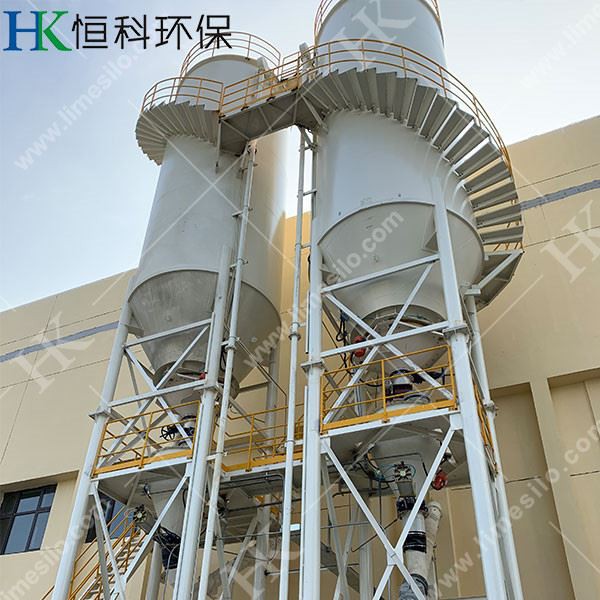
Lubricate all moving parts, such as valves and conveyor components, to ensure smooth operation. Replace any worn - out parts as soon as possible to prevent breakdowns.
Safety should always be a top priority. Wear appropriate personal protective equipment (PPE) when working around the silo, including dust masks, goggles, and gloves. Make sure the area around the silo is well - lit and free of any obstacles.
Where to Find More Information
If you're looking for more details on Lime Storage Steel Silos, you can check out these great resources: Bulk Storage Silos for Lime, Lime Systems Bulk Storage Solutions, and Bulk Storage Silos Lime System. These links will give you in - depth information on different aspects of lime storage and silo systems.
Time to Connect and Buy
If you're in the market for Lime Storage Steel Silos or have any questions about operating them, I'd love to hear from you! Whether you're a small - scale business or a large industrial operation, we've got the right silo solutions for you. Reach out to us, and let's start a conversation about how we can meet your lime storage needs.
References
- Industrial Silo Handbook. Published by an industry - leading organization.
- Best Practices for Lime Storage and Handling. A research paper from a well - known research institute.