

As a supplier of Activated Carbon Silos, I understand the critical importance of temperature control in these storage units. Activated carbon is a highly porous material with a large surface area, which makes it extremely effective in adsorption processes. However, its performance and safety can be significantly affected by temperature variations within the silo. In this blog, I will share some practical strategies and techniques on how to control the temperature in an Activated Carbon Silo.
Understanding the Impact of Temperature on Activated Carbon
Before delving into temperature control methods, it's essential to understand why temperature matters in an Activated Carbon Silo. Activated carbon has a unique property of adsorbing various substances, including gases and liquids. The adsorption capacity of activated carbon is directly related to temperature. Generally, lower temperatures favor adsorption, while higher temperatures can lead to desorption, reducing the effectiveness of the activated carbon.
Moreover, activated carbon is a combustible material. When the temperature inside the silo rises too high, there is a risk of spontaneous combustion, which can pose a significant safety hazard. Therefore, maintaining an optimal temperature range is crucial for both the performance and safety of the activated carbon stored in the silo.
Factors Affecting Temperature in an Activated Carbon Silo
Several factors can influence the temperature inside an Activated Carbon Silo. These include:
- External Environment: The ambient temperature outside the silo can have a direct impact on the internal temperature. In hot climates, the silo can absorb heat from the surroundings, causing the temperature inside to rise.
- Heat Generation During Filling: When activated carbon is filled into the silo, friction and compression can generate heat. If not properly managed, this heat can accumulate and lead to an increase in temperature.
- Adsorption Heat: The adsorption process itself is exothermic, meaning it releases heat. As activated carbon adsorbs substances, the heat generated can contribute to the overall temperature rise in the silo.
- Insulation: The quality of insulation in the silo can affect its ability to retain or dissipate heat. Poor insulation can allow heat to enter or escape the silo more easily, leading to temperature fluctuations.
Strategies for Temperature Control
To effectively control the temperature in an Activated Carbon Silo, the following strategies can be employed:
1. Insulation
Proper insulation is the first line of defense against temperature fluctuations. By insulating the silo walls, you can reduce the transfer of heat between the inside and outside of the silo. High-quality insulation materials, such as fiberglass or polyurethane foam, can be used to create a thermal barrier. This helps to maintain a more stable temperature inside the silo, regardless of the external environment.
2. Ventilation
Ventilation is another crucial aspect of temperature control. By providing adequate ventilation, you can remove hot air from the silo and replace it with cooler air. This helps to dissipate heat and prevent its accumulation. There are two main types of ventilation systems that can be used in an Activated Carbon Silo:
- Natural Ventilation: This involves the use of vents or openings in the silo to allow air to flow in and out naturally. Natural ventilation is a cost-effective solution, but it may not be sufficient in all situations, especially in hot climates or when the silo is located in an enclosed area.
- Mechanical Ventilation: Mechanical ventilation systems, such as fans or blowers, can be used to force air through the silo. This provides more precise control over the airflow and can be adjusted according to the temperature requirements. Mechanical ventilation is particularly useful in situations where natural ventilation is inadequate.
3. Cooling Systems
In some cases, insulation and ventilation may not be enough to maintain the desired temperature in the silo. In such situations, cooling systems can be installed to actively lower the temperature. There are several types of cooling systems that can be used in an Activated Carbon Silo:
- Water Cooling: Water cooling systems use water to absorb heat from the silo. This can be achieved through the use of cooling coils or jackets that circulate water around the silo walls. As the water absorbs heat, it is then cooled and recirculated. Water cooling is an effective method for reducing temperature, but it requires a reliable water supply and proper maintenance.
- Refrigeration Systems: Refrigeration systems, such as air conditioners or chillers, can be used to cool the air inside the silo. These systems work by removing heat from the air and transferring it outside the silo. Refrigeration systems provide precise temperature control but can be more expensive to install and operate.
4. Temperature Monitoring
Continuous temperature monitoring is essential for effective temperature control. By installing temperature sensors inside the silo, you can monitor the temperature in real-time and take appropriate action if it exceeds the desired range. Temperature sensors can be connected to a control system that can automatically adjust the ventilation or cooling systems to maintain the optimal temperature.
5. Filling and Discharging Procedures
Proper filling and discharging procedures can also help to control the temperature in the silo. When filling the silo, it is important to avoid overfilling and to ensure that the activated carbon is evenly distributed. This helps to prevent the accumulation of heat during the filling process. Similarly, when discharging the activated carbon, it is important to do so slowly and evenly to avoid generating excessive heat.
The Role of Activated Carbon Storage Systems
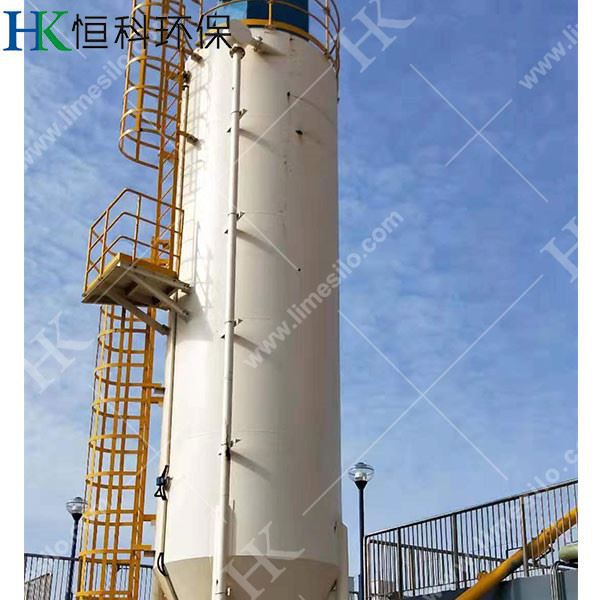
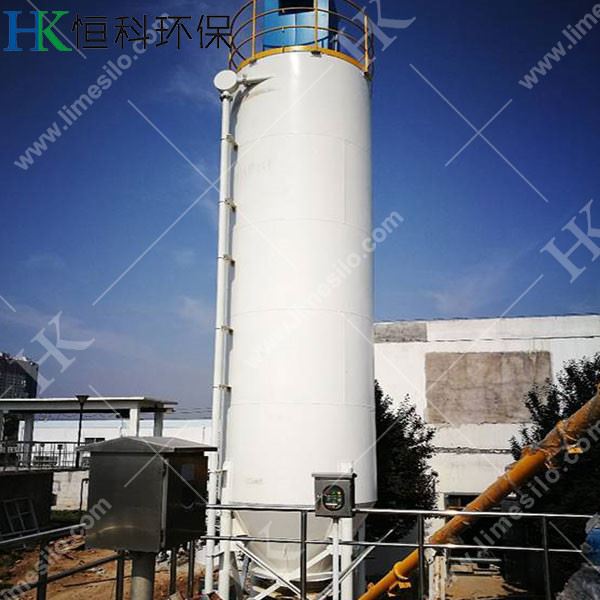
As a supplier of Activated Carbon Silos, we offer a range of Activated Carbon Storage System solutions that are designed to meet the specific temperature control requirements of our customers. Our Activated Carbon Storage Silo and Powdered Activated Carbon Silo are equipped with advanced insulation, ventilation, and cooling systems to ensure optimal temperature control.
In addition, our silos are designed with safety in mind. They are equipped with fire suppression systems and explosion-proof features to prevent any potential hazards associated with temperature fluctuations. We also provide comprehensive after-sales support, including installation, maintenance, and training, to ensure that our customers can operate their silos safely and efficiently.
Conclusion
Controlling the temperature in an Activated Carbon Silo is crucial for maintaining the performance and safety of the activated carbon stored inside. By understanding the factors that affect temperature and implementing the appropriate strategies, such as insulation, ventilation, cooling systems, temperature monitoring, and proper filling and discharging procedures, you can ensure that your silo operates at an optimal temperature.
As a leading supplier of Activated Carbon Silos, we are committed to providing our customers with high-quality products and solutions that meet their specific needs. If you are interested in learning more about our Activated Carbon Storage Systems or have any questions about temperature control in Activated Carbon Silos, please feel free to contact us. We look forward to discussing your requirements and helping you find the best solution for your business.
References
- "Activated Carbon: Properties and Applications" by John Doe
- "Temperature Control in Industrial Storage Silos" by Jane Smith
- "Safety Guidelines for Activated Carbon Storage" by ABC Company