

Hey there! As a supplier of shaftless screw conveyors, I often get asked about how to adjust the conveying speed of these nifty machines. In this blog, I'll walk you through the ins and outs of speed adjustment for shaftless screw conveyors, sharing some tips and tricks along the way.
Understanding Shaftless Screw Conveyors
Before we dive into speed adjustment, let's quickly go over what shaftless screw conveyors are. These conveyors are a type of screw conveyor that doesn't have a central shaft. Instead, they use a helical screw that rotates inside a trough to move materials. They're great for handling all sorts of materials, from powders and granules to sticky and abrasive substances. You can learn more about different types of screw conveyors on our Screw Conveyors And Feeders page.
Why Adjust the Conveying Speed?
There are several reasons why you might want to adjust the conveying speed of a shaftless screw conveyor. Maybe you need to match the output of the conveyor to the processing rate of the next stage in your production line. Or perhaps you're dealing with a material that's more delicate and needs to be moved at a slower pace to prevent damage. Adjusting the speed can also help you optimize energy consumption and reduce wear and tear on the conveyor.
Methods of Adjusting Conveying Speed
1. Variable Frequency Drives (VFDs)
One of the most common and effective ways to adjust the speed of a shaftless screw conveyor is by using a variable frequency drive. A VFD allows you to control the speed of the motor that drives the conveyor by varying the frequency of the electrical power supplied to it. This gives you a wide range of speed control, from very slow to very fast.
The main advantage of using a VFD is its precision. You can set the exact speed you need, and the drive will maintain that speed even under varying loads. It also helps to reduce energy consumption, as the motor only uses the amount of power required to maintain the set speed. Plus, VFDs can provide soft-start and soft-stop capabilities, which can extend the lifespan of the conveyor and reduce mechanical stress.
2. Pulley and Belt Systems
Another way to adjust the speed is by changing the pulley and belt system. By using different-sized pulleys, you can change the ratio of the motor's speed to the conveyor's speed. For example, if you use a smaller pulley on the motor and a larger pulley on the conveyor, the conveyor will run at a slower speed. Conversely, if you use a larger pulley on the motor and a smaller pulley on the conveyor, the conveyor will run faster.
This method is relatively simple and cost-effective, but it doesn't offer the same level of precision as a VFD. You'll need to physically change the pulleys to adjust the speed, which can be time-consuming and may require some technical knowledge.
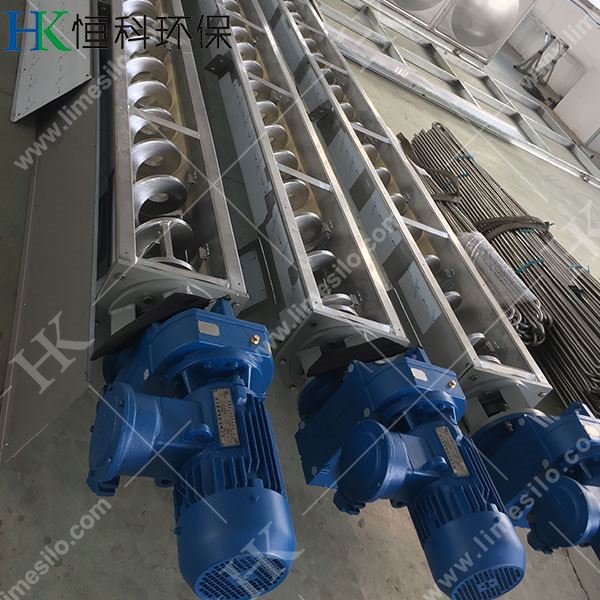

3. Gearboxes
Gearboxes can also be used to adjust the speed of a shaftless screw conveyor. A gearbox is a mechanical device that changes the speed and torque of the motor. By selecting a gearbox with the appropriate gear ratio, you can increase or decrease the speed of the conveyor.
Gearboxes are known for their durability and reliability. They can handle high loads and provide a consistent speed. However, they can be more expensive than other speed adjustment methods, and they may require more maintenance.
Factors to Consider When Adjusting Speed
When adjusting the conveying speed of a shaftless screw conveyor, there are several factors you need to keep in mind.
1. Material Characteristics
The type of material you're conveying plays a big role in determining the appropriate speed. For example, if you're dealing with a free-flowing material like sand, you can usually run the conveyor at a higher speed. But if you're handling a sticky or viscous material, a slower speed may be necessary to prevent clogging and ensure smooth operation.
2. Conveyor Length and Diameter
The length and diameter of the conveyor also affect the speed. A longer conveyor may require a slower speed to ensure that the material is properly conveyed without getting stuck. Similarly, a larger diameter conveyor can handle more material at a given speed than a smaller diameter conveyor.
3. Motor Power
The power of the motor driving the conveyor is another important factor. If you try to run the conveyor at a speed that's too high for the motor's power, the motor may overheat or burn out. Make sure to choose a motor with enough power to handle the desired speed and load.
Tips for Adjusting Speed
Here are some tips to help you adjust the speed of your shaftless screw conveyor effectively:
- Start Slow: When making adjustments, start with a slow speed and gradually increase it until you reach the desired level. This will help you avoid overloading the conveyor and causing damage.
- Monitor the Conveyor: Keep an eye on the conveyor while it's running to make sure it's operating smoothly. Look for any signs of clogging, excessive vibration, or other issues.
- Test the Material: Before making any permanent adjustments, test the conveyor with a small amount of the material you'll be conveying. This will allow you to see how the material behaves at different speeds and make any necessary adjustments.
Our Shaftless Screw Conveyor Options
At our company, we offer a wide range of Stainless Steel Shaftless Screw Conveyors that are designed to meet your specific needs. Our conveyors are made from high-quality materials and are built to last. We also offer Twin Screw Conveyors for applications that require higher throughput.
If you're interested in learning more about our shaftless screw conveyors or need help adjusting the speed of your existing conveyor, don't hesitate to reach out. We're here to help you find the best solution for your business.
Conclusion
Adjusting the conveying speed of a shaftless screw conveyor is an important part of optimizing its performance. By understanding the different methods of speed adjustment and considering the factors that affect speed, you can ensure that your conveyor operates efficiently and effectively. Whether you're using a VFD, pulley and belt system, or gearbox, make sure to follow the tips and guidelines outlined in this blog to get the most out of your conveyor.
If you have any questions or need further assistance, feel free to contact us. We're always happy to help you with your conveyor needs.