

As a supplier of lime steel silos, I've received numerous inquiries about the suitability of our products in high - altitude areas. This is a crucial question as high - altitude environments present unique challenges. In this blog post, I'll delve into the technical aspects of lime steel silos and whether they can be effectively used in high - altitude areas.
Technical Characteristics of Lime Steel Silos
Before addressing the high - altitude question, let's first understand the basic features of lime steel silos. Our Lime Steel Silo is designed with high - quality steel materials. The steel is carefully selected for its strength and durability, which allows the silo to withstand the weight of the stored lime. The silo's structure is engineered to ensure stability, with a well - designed framework that distributes the load evenly.

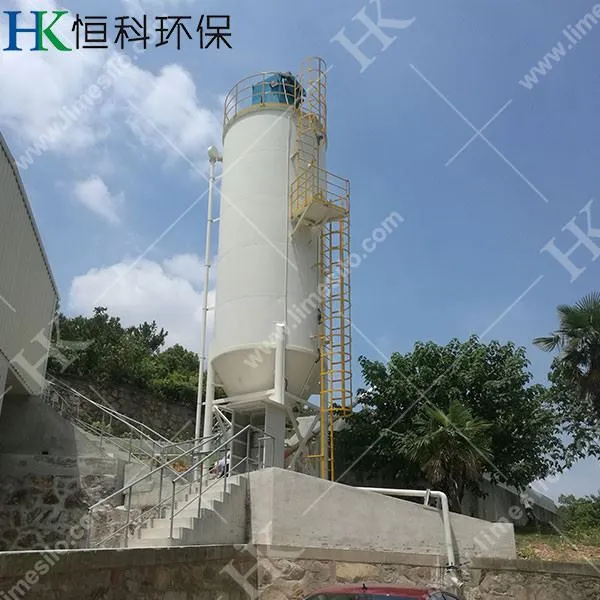
The Lime Powder Steel Silo is specifically tailored for storing lime powder. It has advanced sealing mechanisms to prevent the leakage of fine lime particles, which is essential for maintaining the quality of the stored material and for environmental protection. Additionally, the silo is equipped with ventilation systems to control the internal environment, such as humidity and temperature, which can affect the properties of the lime.
Our Bulk Storage Silos for Lime are available in various sizes and capacities to meet different customer needs. Whether it's a small - scale operation or a large industrial project, we can provide a suitable storage solution.
Challenges in High - Altitude Areas
High - altitude areas are characterized by several environmental factors that can pose challenges to the use of lime steel silos.
Low Atmospheric Pressure
One of the most significant factors is the low atmospheric pressure. As altitude increases, the air pressure decreases. This can have an impact on the silo's ventilation system. In a normal - altitude environment, the ventilation system is designed to operate under a certain air pressure. At high altitudes, the reduced air pressure may cause the ventilation to be less efficient. For example, the flow rate of air through the ventilation ducts may be lower, which can lead to poor air circulation inside the silo. This, in turn, can result in issues such as increased humidity and the formation of condensation, which can affect the quality of the lime.
Temperature Variations
High - altitude areas also experience significant temperature variations between day and night. During the day, the sun can heat up the silo's surface to relatively high temperatures, while at night, the temperature can drop sharply. These temperature fluctuations can cause the steel of the silo to expand and contract. If the silo is not designed to accommodate these thermal movements, it can lead to structural stress, which may eventually cause cracks or other forms of damage.
Strong Winds
Another challenge is the presence of strong winds. High - altitude regions often have more powerful and unpredictable winds. The wind can exert significant lateral forces on the silo. If the silo's foundation and structure are not designed to withstand these wind forces, there is a risk of the silo being tilted or even toppled over.
Adaptability of Lime Steel Silos in High - Altitude Areas
Despite the challenges, our lime steel silos can be adapted for use in high - altitude areas.
Ventilation System Adaptation
To address the issue of low atmospheric pressure, we can modify the ventilation system of the silo. For example, we can install more powerful fans or adjust the size and shape of the ventilation ducts to ensure an adequate air flow rate. Additionally, we can incorporate pressure - compensation devices that can maintain the proper pressure inside the ventilation system, regardless of the outside atmospheric pressure.
Thermal Expansion and Contraction
To deal with temperature variations, we use special steel materials with low coefficients of thermal expansion. These materials can better tolerate the expansion and contraction caused by temperature changes. Furthermore, the silo's design includes expansion joints and flexible connections. These components allow the silo to expand and contract without putting excessive stress on the structure.
Wind Resistance Design
In terms of wind resistance, we conduct detailed wind - load calculations based on the specific altitude and geographical location of the installation site. We then reinforce the silo's foundation and structure accordingly. For example, we can increase the thickness of the steel walls, add additional supports, and improve the foundation's anchoring system. This ensures that the silo can withstand the strong winds typically found in high - altitude areas.
Case Studies
We have successfully installed lime steel silos in several high - altitude regions. In one project, a client in a mountainous area at an altitude of over 3000 meters needed to store lime for a local construction project. Our engineering team carried out a detailed site assessment and designed a customized silo. The silo was equipped with an upgraded ventilation system with pressure - compensation devices. The steel used had a low coefficient of thermal expansion, and the structure was reinforced to withstand the high - altitude winds. After several years of operation, the silo has performed excellently, with no issues related to ventilation, thermal expansion, or wind resistance.
Conclusion and Call to Action
In conclusion, a lime steel silo can indeed be used in high - altitude areas. With proper design and adaptation, our lime steel silos can overcome the challenges posed by low atmospheric pressure, temperature variations, and strong winds. If you are considering a lime storage solution for a high - altitude project, we are here to help. Our team of experts can provide you with a customized solution based on your specific requirements. Contact us for a detailed consultation and let's start the process of finding the perfect lime steel silo for your needs.
References
- [Relevant Engineering Handbook on Structural Design for High - Altitude Environments]
- [Technical Reports on Steel Silo Design and Adaptation for Extreme Conditions]